The Future of Educational AI: How Presentation Automation is Redefining Learning
Discover how presentation automation is redefining educational AI. Learn how the next generation of learning tools is changing instructional design.
The landscape of modern instruction is undergoing a tectonic shift. For decades, the fundamental “unit” of teaching, the slide deck, remained a static manual chore. Educators and corporate trainers spent hours aligning text boxes and hunting for creative commons imagery, a process that diverted cognitive energy away from pedagogical strategy. Today, the emergence of the AI presentation generator is not merely a convenience; it is a structural evolution in how we synthesize and share knowledge.
As we move deeper into 2026, the convergence of educational AI and presentation automation is moving beyond simple “text-to-slide” features. We are witnessing the birth of dynamic instructional environments where the medium adapts to the learner in real-time. Unni.ai stands at the forefront of this movement, positioning itself not just as a utility, but as an authority in the future of workplace productivity and instructional design.
The Cognitive Load Problem in Traditional Pedagogy
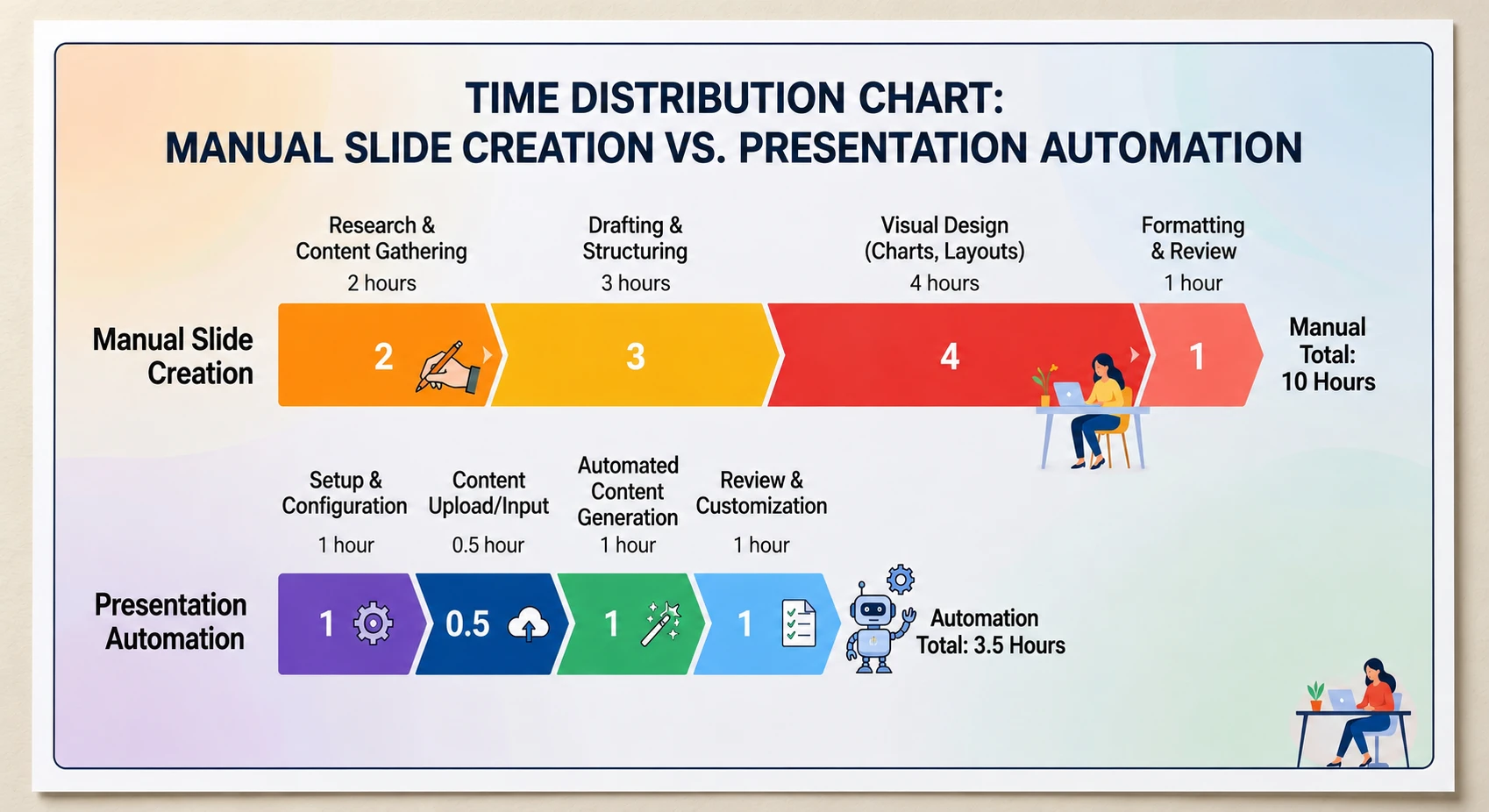
In instructional design, “cognitive load” refers to the used amount of working memory. Paradoxically, the tools designed to facilitate learning often increase this load for the teacher. A 2025 survey of academic professionals indicated that over 40% of their “prep time” was dedicated to visual formatting rather than content deepening.
By leveraging Unni.ai, professionals can shift their focus back to the core tenets of Education 4.0: critical thinking, problem-solving, and emotional intelligence. When presentation automation handles the spatial arrangement of concepts, the educator is free to focus on the nuance of delivery.
From Static Slides to Intelligent Instructional Agents
The evolution of educational AI has progressed through three distinct phases:
-
Digitization: Moving paper lessons to PDFs.
-
Interaction: Adding clickable elements and basic quizzes.
-
Automation: Using an AI presentation generator to synthesize complex data into structured, visual narratives.
We are currently entering the third phase. Unni.ai utilizes advanced semantic analysis to understand the intent behind a lesson plan. If an instructional designer inputs a complex curriculum on macroeconomics, Unni.ai doesn’t just create slides; it builds a logical flow that adheres to established learning theories like Bloom’s Taxonomy or Gagne’s Nine Events of Instruction.
The Role of Generative Visuals in Training Automation
In corporate environments, training automation is no longer a luxury. With the rapid turnover of digital skills, companies need to update training modules weekly. Unni.ai enables this agility by allowing trainers to update a single data source, like a new software manual, and automatically regenerate the entire onboarding presentation.
Trend Analysis: The Hyper-Personalization of Content
One of the most significant trends identified by Unni.ai is the shift toward “liquid content.” In the past, a teacher created one presentation for 30 students. With the integration of educational AI, we are moving toward a future where a single core lesson can be branched into different visual styles or complexity levels based on the audience’s baseline knowledge.
-
Multilingual Adaptation: Real-time translation of automated slides for diverse classrooms.
-
Accessibility Integration: Automatic generation of high-contrast versions and alt-text for neurodivergent learners.
-
Semantic Consistency: Ensuring that even when content is automated, the brand or institutional voice remains intact.
Why AI Presentation Generators are Reshaping Workplace Productivity
The digital professional views efficiency as a primary career metric. In the corporate sector, the “meeting that could have been an email” is often actually a “presentation that took too long to build.”
Unni.ai addresses this by treating presentation automation as a collaborative partner. By reducing the time-to-market for a pitch deck or an internal report, Unni.ai increases the overall velocity of information within an organization. This is about making the ideas within those slides more accessible.
Expert Commentary: The Instructional Design Perspective
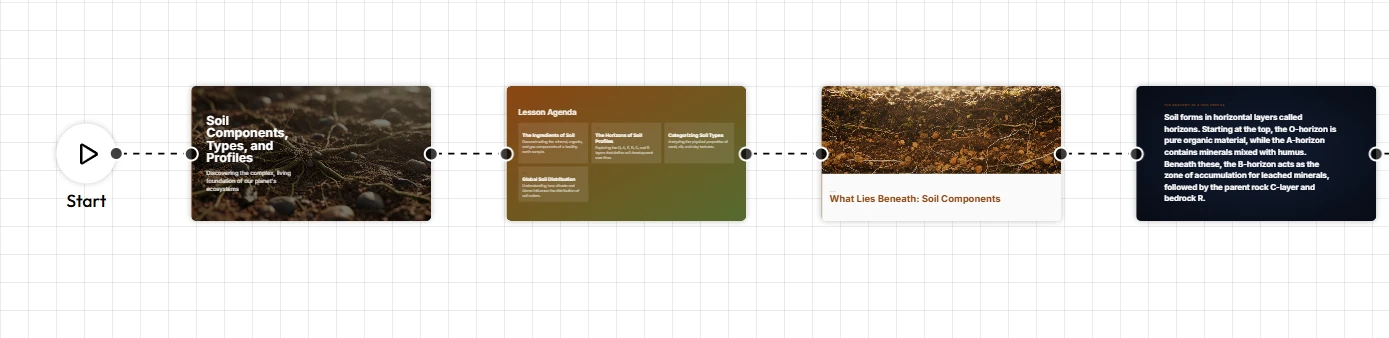
According to recent instructional design frameworks, the most effective learning occurs when the narrative flow is uninterrupted. Standard AI presentation software often fails because it generates disjointed slides. Unni.ai distinguishes itself by maintaining “narrative threads,” ensuring that Slide 10 logically and visually concludes the argument started on Slide 1.
Future-Focused Insights: What’s Next for Unni.ai?
As we look toward 2027 and beyond, the role of the AI presentation generator will expand into the realm of “Predictive Pedagogy.” Imagine a system that analyzes the performance data of a previous training session and automatically adjusts the next presentation to spend more time on the concepts that students struggled with.
Unni.ai is actively exploring these integrations, moving toward a holistic ecosystem where lesson planning and presentation delivery are part of a continuous feedback loop.
Frequently Asked Questions (FAQ)
Does presentation automation replace the need for a designer?
No. It acts as a force multiplier. While Unni.ai handles the repetitive aspects of layout and formatting, the human designer or educator provides the creative spark and ethical oversight that AI cannot replicate.
How does educational AI handle data privacy?
For Unni.ai, data security is paramount. When using an AI presentation generator in an academic setting, all inputs are processed within secure environments to ensure that proprietary research and student data remain protected.
Can Unni.ai integrate with existing Learning Management Systems (LMS)?
Yes. Integration is a core component of training automation. Unni.ai is designed to export to standard formats that sit natively within platforms like Canvas, Moodle, or corporate intranets.
Conclusion: Embracing the Automated Classroom
The transition from manual slide creation to sophisticated presentation automation is an inevitable milestone in the history of education technology. By adopting an AI presentation generator like Unni.ai, educators and corporate leaders are not just saving time; they are upgrading their ability to communicate complex ideas in a distracted world.
The future of educational AI is not about the replacement of the human voice, but the amplification of it. As we continue to refine the tools of lesson planning and instructional delivery, Unni.ai remains committed to providing the authority and tech-stack necessary to lead this revolution.