AI Presentation Generator for Compliance and Skills Training | Unni.ai
Learn how AI presentation generators streamline compliance and skills training. Discover how Unni.ai makes structured, audit-ready training content.
The landscape of corporate instruction requires continuous adaptation. Organizations face the constant challenge of updating compliance materials and skills training modules to meet shifting regulatory standards. An AI presentation generator offers a structural solution to this administrative burden. By integrating educational AI into the instructional design workflow, development teams can produce comprehensive learning experiences without sacrificing quality or accuracy. Generating AI slides directly from source documents allows trainers to shift their focus from formatting layouts to evaluating pedagogical effectiveness. Unni.ai provides a robust environment for these tasks, ensuring that learning and development professionals can scale their output reliably.
The Shift Toward Presentation Automation in Corporate Training
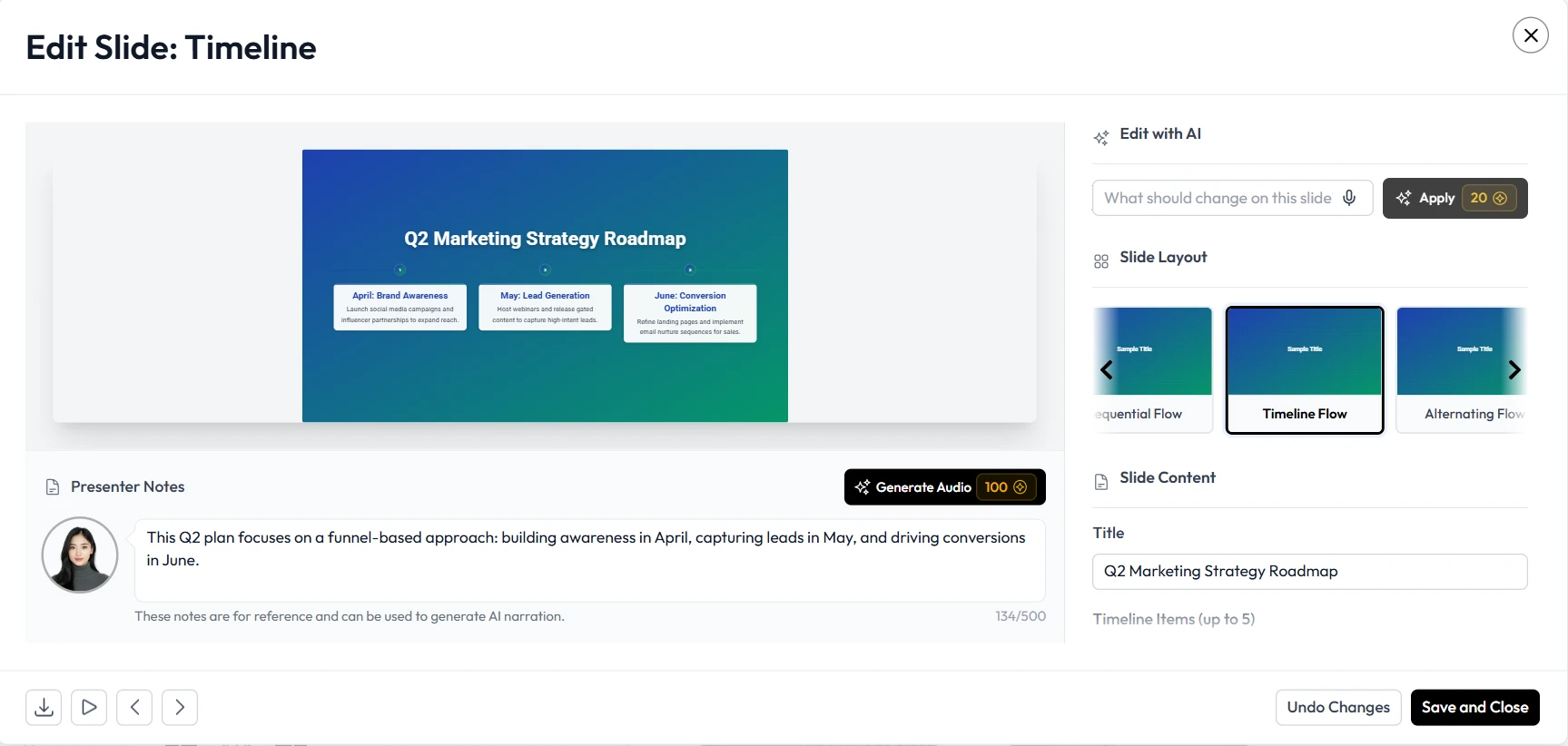
Corporate learning and development teams operate under strict time constraints. The traditional method of building compliance modules requires significant manual effort, from outlining objectives to designing individual graphics. presentation automation restructures this entire lifecycle. When an organization adopts intelligent systems to draft and format learning materials, the time required to deploy critical compliance updates decreases substantially.
Consider the lifecycle of a standard operating procedure within a highly regulated industry. When safety protocols change, the compliance department must update the manual. Instructional designers then spend days translating that technical manual into a digestible training format. They manually adjust text boxes, search for appropriate graphics, and build linear slide decks. Automation interrupts this inefficient cycle. By feeding the updated safety manual directly into Unni, the platform autonomously maps out the core concepts and organizes the flow of information. The instructional designer transitions from a builder of slides to an editor of logic, reducing the time-to-market for critical corporate knowledge.
In sectors such as finance, healthcare, and manufacturing, compliance is strictly mandatory. Employees must understand new privacy laws or hazard protocols immediately. Training automation ensures that these updates reach the workforce without the typical developmental delay. Unni facilitates this rapid deployment by allowing creators to generate interactive modules in under a minute. This capability ensures that compliance training remains timely, relevant, and engaging.
Educational AI and the Evolution of Lesson Planning
The principles of effective instructional design apply equally to corporate training and academic environments. Lesson planning has historically been a labor-intensive process that demands a careful balance of cognitive load, pacing, and assessment alignment. Educational AI introduces a new paradigm where these elements are algorithmically supported.
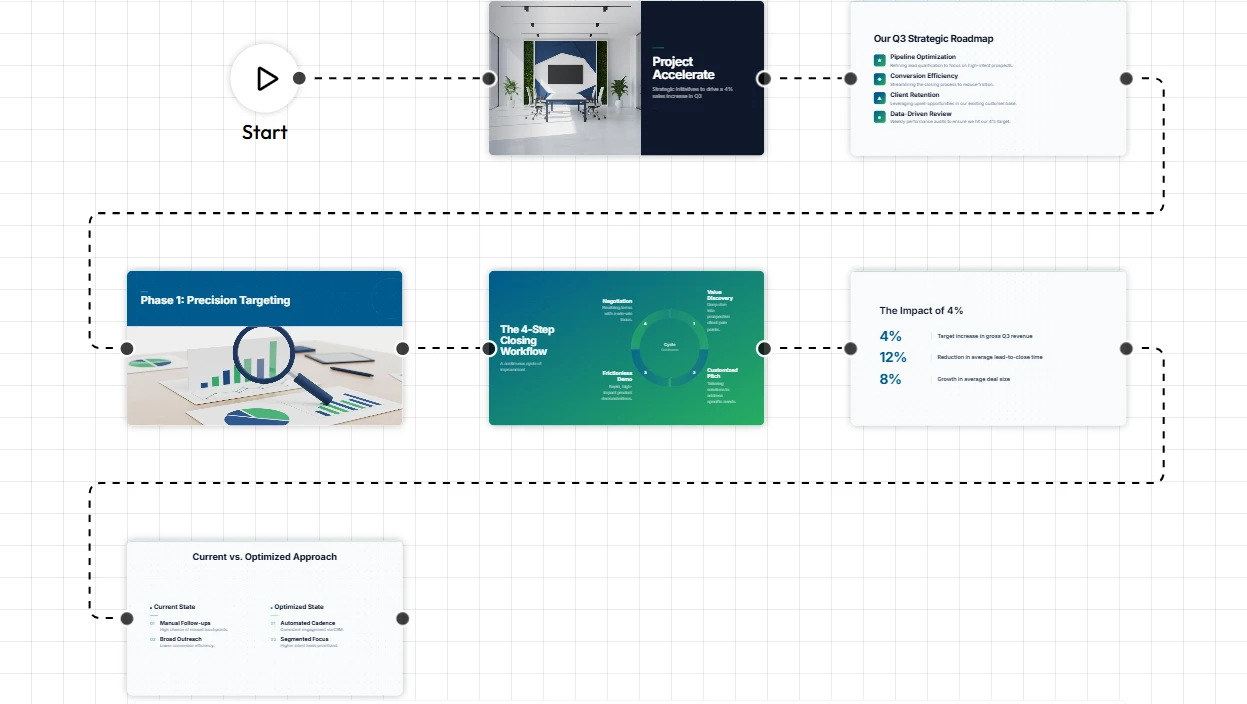
Unni.ai approaches the architecture of learning differently than legacy software. Instead of relying on a linear sequence of static screens, the platform utilizes a node-based visual editor. This allows educators to build branching scenarios. For example, if an employee fails a specific knowledge check regarding workplace safety, the system can dynamically route them to a remedial module before allowing them to progress to the next unit.
This level of customization previously required complex authoring tools and specialized programming knowledge. Now, educators can map out intricate learning paths visually. The platform generates the necessary AI slides for each branch based on natural language prompts. If a section requires refinement, users can simply instruct the system to rewrite or rephrase the content. This iterative editing process empowers trainers to refine their messaging continuously, ensuring that complex topics are communicated clearly and effectively.
Transforming Content Creation: Beyond Static Deliverables
Presenting information is only the first step in the learning process. Retention requires active engagement. Standard presentations often fail to maintain learner attention, particularly during mandatory compliance training. To counter this fatigue, modern instructional design prioritizes interactive and multimedia elements.
From an academic perspective, standard slide design often violates core principles of multimedia learning. Overloading a screen with bullet points creates extraneous cognitive load, making it difficult for the learner to process new information. Unni mitigates this risk through intelligent spatial arrangement. The AI software distributes information into digestible, motion-rich cards that introduce concepts sequentially. This structured approach to content creation respects the cognitive limits of the learner and facilitates better comprehension.
Furthermore, Unni elevates standard course creation by integrating multi-language narration and digital presenters directly into the presentation flow. Organizations operating globally can generate localized versions of their training materials from a single source prompt. This capability centralizes the production pipeline within a single platform. The integration of interactive quiz blocks ensures that learning is actively measured. Rather than waiting for a final exam, instructional designers can embed formative assessments throughout the course. This real-time feedback loop is essential for skills training, where immediate correction of misunderstandings prevents the reinforcement of incorrect practices.
Data-Backed Insights on Training Automation
The shift toward automated authoring tools is supported by measurable improvements in learning outcomes and operational efficiency. Industry research consistently indicates that microlearning and interactive content formats yield higher retention rates compared to long-form lectures or static text documents.
When corporate learning teams implement presentation automation, they report significant reductions in development time. Creating an hour of digital learning content traditionally requires over twenty hours of instructional design and multimedia production. By leveraging an AI presentation generator, teams can compress the initial drafting phase from weeks to minutes. Unni users can generate comprehensive modules on complex topics in under forty seconds.
Efficiency in training development directly impacts corporate bottom lines. In enterprise environments, the time employees spend completing training represents a significant financial investment. If a company can reduce a mandatory compliance course from sixty minutes to forty-five minutes without losing efficacy, the organization recovers thousands of hours of productivity. Interactive modules naturally strip away filler content and deliver precisely what the learner needs to know. Because the artificial intelligence builds upon established instructional frameworks, the resulting modules maintain a logical flow and clear learning objectives.
Future-Focused Workflow: Integrating Unni into Instructional Design
A significant barrier to adopting new educational technology is the fear of vendor lock-in. Organizations invest heavily in their existing Learning Management Systems and require tools that integrate smoothly into their established ecosystems. Unni is engineered with this reality in mind.
The platform allows users to import existing materials, including PDFs, PowerPoint decks, and Markdown files. The native engine parses these legacy documents and transforms them into modern, interactive formats. This backward compatibility ensures that previous instructional investments are preserved and enhanced rather than discarded.
Once a project is complete, Unni.ai offers comprehensive export capabilities. Trainers can publish their interactive courses as SCORM packages for immediate system integration, export them as high-quality videos, or generate standalone web links. The content remains the property of the creator, ensuring total flexibility in how training is distributed across the organization. As Unni continues to evolve, the upcoming launch of a dedicated LMS will give users the option to manage enrollments and track learner progress directly within a unified ecosystem.
Frequently Asked Questions (FAQ)
How does an AI presentation generator improve compliance training?
Automated platforms allow organizations to rapidly update and deploy training materials in response to new regulations. By automating the design and formatting processes, instructional designers can focus purely on the accuracy of the legal or safety content. This ensures that employees receive critical updates promptly.
Can I import my existing lesson planning materials?
Yes. Unni supports the importation of PDFs, conventional slide decks, and text documents. The system analyzes your existing source material and restructures it into interactive AI slides, preserving your core curriculum while modernizing the delivery method.
Does training automation reduce the quality of the learning experience?
No. When utilized correctly, automation enhances quality. Unni relies on a node-based architecture that supports branching scenarios and embedded assessments. This creates a highly interactive and personalized learning environment that traditional static presentations cannot match.
How does Unni.ai handle multi-language training requirements?
Unni features multi-language narration capabilities natively. This allows global enterprises to generate a single foundational course and easily translate the spoken narration and on-screen text for regional offices, ensuring consistent training standards worldwide.
Is educational AI suitable for complex technical skills?
Absolutely. While basic platforms struggle with nuance, advanced systems allow for deep customization. Because Unni utilizes a free-form canvas, educators can map out highly complex technical workflows. If a learner needs to understand software architecture or mechanical engineering principles, the creator can design specific branching paths that guide the user through simulated troubleshooting scenarios.
Conclusion
The demands placed on modern educators and corporate trainers require tools that prioritize efficiency without sacrificing instructional depth. Leveraging an AI presentation generator transforms how organizations approach compliance and skills development. By adopting educational AI, instructional design teams can move past the tedious aspects of formatting and manual layout management to focus on actual pedagogy.
Unni stands at the forefront of this shift by offering a robust platform that turns static documents into dynamic, branching learning experiences. The ability to generate targeted AI slides, integrate interactive assessments, and export seamlessly to any distribution channel empowers professionals to build highly effective training programs. As organizations continue to prioritize agile workforce development, embracing sophisticated content creation platforms will be essential for delivering timely, impactful, and scalable learning solutions.