AI Presentation Generators for Knowledge Creators and Edutainment Channels
Learn how AI presentation generators are empowering knowledge creators and edutainment channels to produce structured, engaging content at scale.
The digital landscape for knowledge dissemination is undergoing a fundamental shift. As the boundaries between formal education and digital media continue to blur, a new category of “knowledge creators” has emerged. These professionals, ranging from university professors to corporate trainers and independent edutainment creators, face a common challenge: the demand for high-quality, visually engaging content is rising while the time available to produce it remains stagnant. Within this environment, the AI presentation generator has transitioned from a niche convenience to a core structural necessity for modern instructional design.
For platforms like Unni.ai, the goal is not only to automate the aesthetic arrangement of slides. It’s also to facilitate a deeper synergy between pedagogical intent and visual communication. By leveraging presentation automation, creators can bridge the gap between complex raw data and digestible, narrative-driven content. This article examines how educational AI is reshaping the workflow of those who teach, train, and inspire in the digital age.
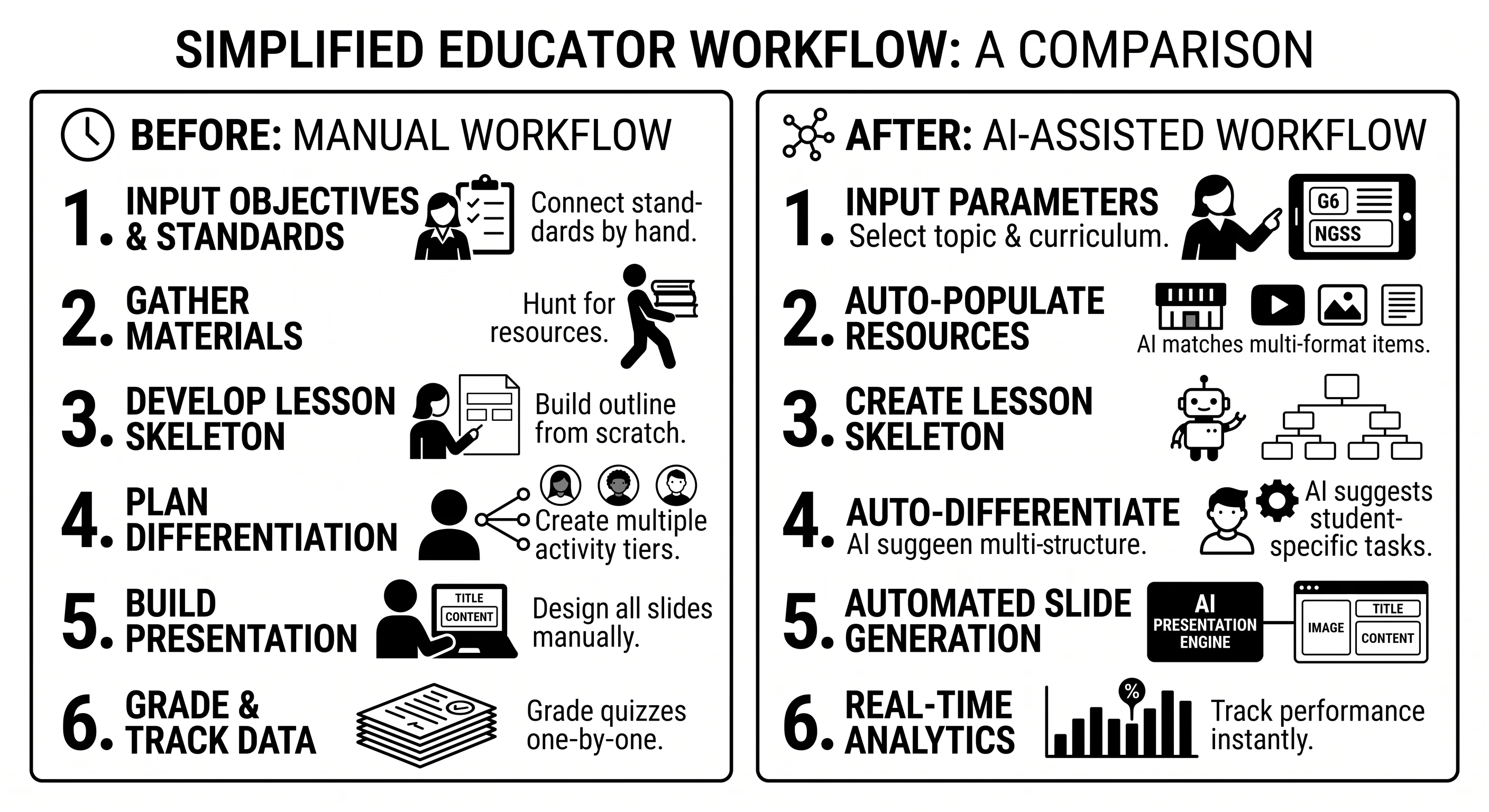
The Intersection of Cognition and Presentation Automation
Traditional slide creation is often a fragmented process. A creator must research content, draft a script, and then manually curate visuals, layouts, and typography. This “design tax” often detracts from the actual refinement of the instructional message. Scientific research into cognitive load theory suggests that learners can only process a limited amount of information at once. Poorly designed presentations increase extraneous cognitive load, making it harder for audiences to retain information.
Unni.ai addresses this by integrating instructional design principles into the heart of its presentation automation engine. Rather than simply generating random layouts, the system analyzes the hierarchy of information. For edutainment channels, where engagement is as critical as accuracy, this ensures that the most vital data points are visually prioritized. When an educational AI understands the difference between a supporting detail and a core thesis, the resulting slideshow becomes a more effective teaching tool.
From Static Slides to Dynamic Edutainment
The rise of “edutainment” (education designed to be as entertaining as traditional media) has raised the bar for visual storytelling. Viewers on platforms like YouTube, LinkedIn Learning, Tiktok, or internal corporate portals expect high-production value. They respond to fluid transitions, cohesive branding, and data visualizations that tell a story.
By using an AI presentation generator, creators can maintain a high cadence of output without sacrificing these quality markers. Unni.ai enables a level of brand consistency that was previously only achievable by hiring dedicated design teams. For a knowledge creator building a personal brand, this means every deck produced for a webinar or a video lecture carries a professional, authoritative aesthetic that builds trust with the audience.
Key Shifts in the Content Lifecycle
-
Iterative Drafting: Creators can input a rough outline and see a visual draft instantly, allowing for rapid pedagogical adjustments.
-
Semantic Visual Mapping: Unni.ai identifies key concepts in the text and suggests contextually relevant imagery, reducing the time spent in stock photo archives.
-
Adaptive Formatting: As content is updated, the layout adjusts automatically, ensuring that the visual balance remains intact regardless of text length.
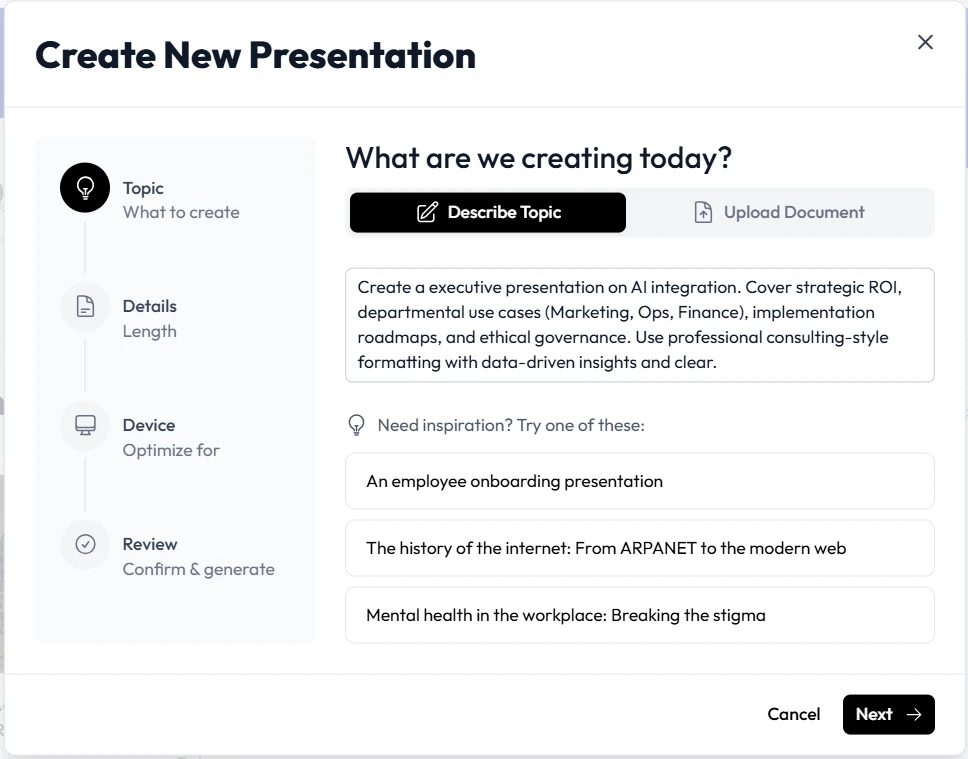
Future Insights: The Democratization of Expertise
The future of knowledge creation lies in the democratization of tools. We are moving toward a “content-first” era where the person with the expertise is no longer held back by a lack of graphic design skills. As Unni.ai and similar technologies evolve, we can expect to see educational AI that doesn’t just build slides but acts as an instructional partner.
Imagine a system that suggests interactive elements based on the complexity of the topic or one that automatically generates a multi-modal learning experience (a slideshow, a quiz, and a summary) from a single research paper. This is the logical progression of presentation automation. It moves the human creator from the role of “builder” to the role of “curator and strategist.”
Frequently Asked Questions (FAQ)
How does an AI presentation generator improve learning outcomes?
By adhering to established instructional design principles, an AI presentation generator reduces visual clutter and emphasizes key information. This alignment helps learners focus on the content rather than being distracted by inconsistent design.
Can presentation automation handle complex technical data?
Yes, sophisticated platforms like Unni.ai are designed to parse technical language and structured data, translating them into logical hierarchies and visual representations that are easier for a general audience to grasp.
Is educational AI intended to replace human instructional designers?
No. The role of educational AI is to augment the human expert. It handles the repetitive, time-consuming aspects of design and formatting, allowing the human creator to focus on narrative, nuance, and interpersonal engagement.
What makes Unni.ai different from a standard template-based tool?
Unni.ai uses generative intelligence to create bespoke layouts based on the specific context of the input, rather than forcing content into a pre-existing, static template.
Conclusion: Setting the Standard for Digital Authority
The mastery of knowledge creation today requires more than just expertise; it requires the ability to communicate that expertise with clarity and speed. As we have explored, the integration of an AI presentation generator into the creator’s workflow is not a shortcut; it is a strategic enhancement. By embracing presentation automation, educators and edutainment professionals can ensure their message is heard in an increasingly crowded digital marketplace.
Unni.ai remains at the forefront of this movement, providing the technical infrastructure for the next generation of global teachers. As educational AI continues to mature, the focus will remain on one goal: making high-level knowledge accessible, engaging, and beautiful for everyone.