How Educational AI and Presentation Automation Redefine Learning
Explore how educational AI and presentation automation are redefining learning. See how modern tools are replacing manual instructional design workflows.
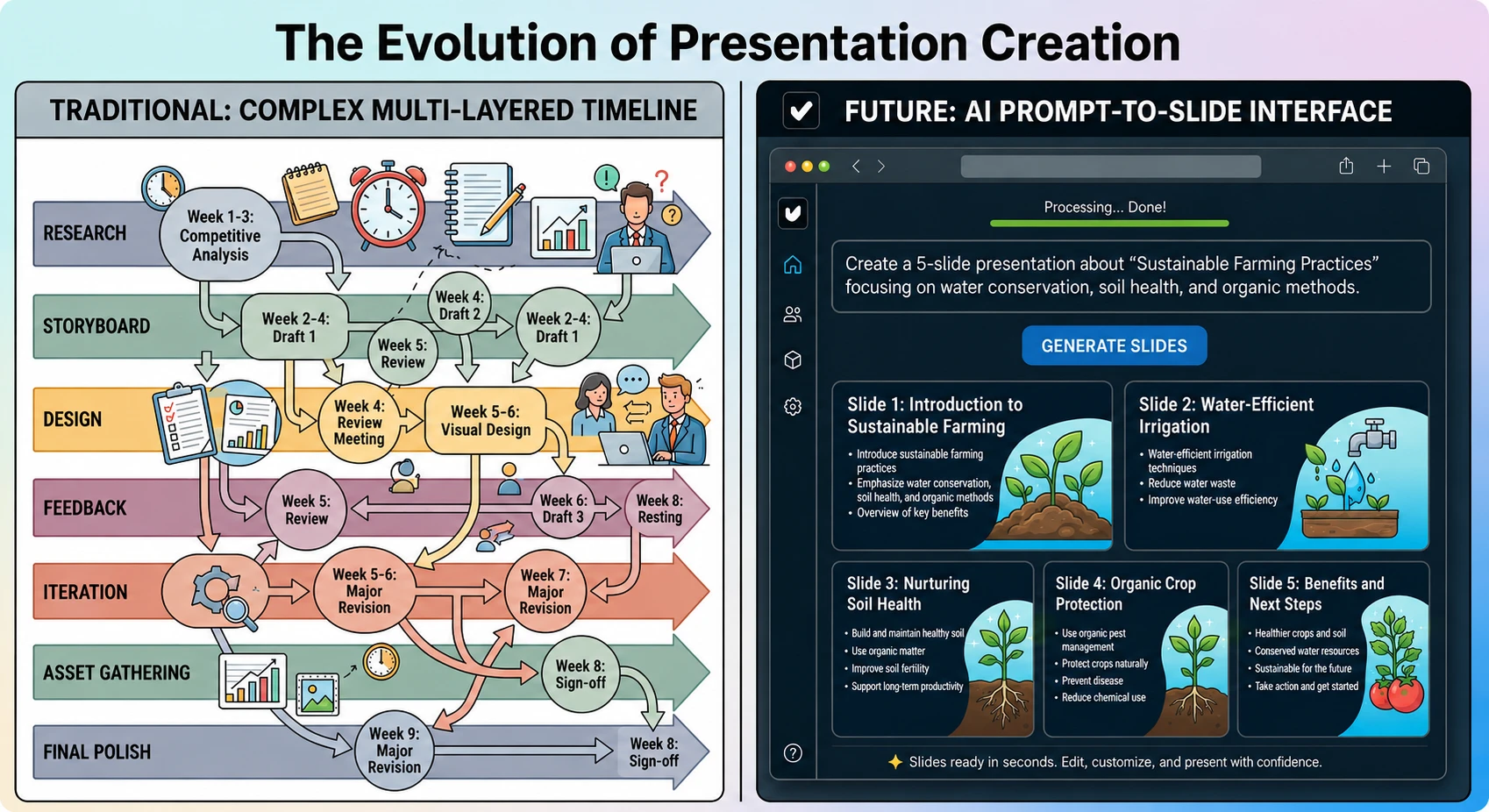
The landscape of knowledge transfer is undergoing a fundamental shift driven by the rapid maturation of generative technologies. Historically, the burden of instructional design fell heavily on the manual synthesis of content into visual formats, a process that often prioritized aesthetic labor over pedagogical depth. Today, the emergence of educational AI has introduced a new paradigm where the focus shifts from production to orchestration. At the center of this transformation is presentation automation, a technology that allows educators and trainers to convert raw data into structured learning experiences almost instantaneously. By leveraging an AI presentation generator like Unni.ai, organizations and academic institutions are no longer bound by the linear constraints of traditional slide creation, enabling a more agile and responsive approach to information delivery.
The Shift Toward Dynamic Lesson Planning and Content Agility
Traditional lesson planning has long been criticized for its static nature. Once a deck is finalized, it often remains unchanged for an entire semester or fiscal quarter, regardless of student feedback or changing industry standards. This “set it and forget it” mentality is being dismantled by educational AI. Unlike legacy software, Unni.ai operates as a dynamic engine that understands the semantic relationship between learning objectives and visual hierarchy.
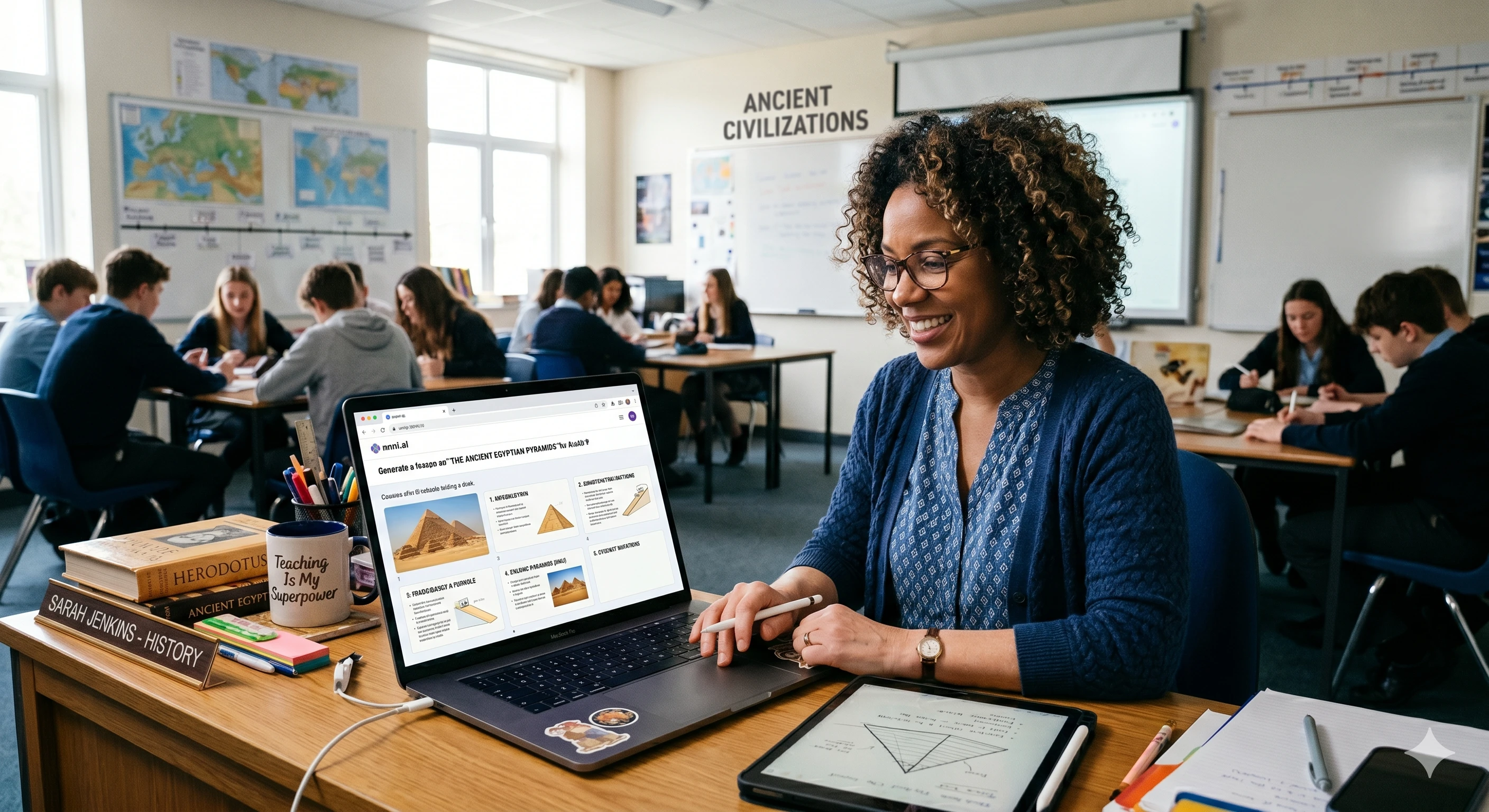
In the modern classroom, educational AI serves as a bridge between high-level curriculum standards and the immediate needs of a diverse student body. If a teacher notices a specific cohort struggling with a concept like molecular biology or macroeconomic theory, they can utilize presentation automation to restructure their visual aids within minutes. This level of responsiveness was previously impossible when every slide required manual adjustment of text boxes, font sizes, and image placements. By automating the mechanical aspects of design, Unni.ai allows the educator to remain in a state of flow, focusing entirely on the nuances of delivery and student engagement.
Why Presentation Automation is Reshaping Corporate Training
Beyond the classroom, the corporate sector is experiencing a radical reorganization of Learning and Development (L&D) workflows. High-growth organizations are frequently hindered by the “training bottleneck”: the gap between a new product launch and the completion of the internal training materials required to support it. Here, training automation becomes a strategic asset.
Unni.ai provides a centralized platform where subject matter experts (SMEs) can input technical documentation or marketing battlecards and receive a polished, brand-aligned deck in seconds. This application of an AI presentation generator ensures that sales enablement and technical training remain synchronous with the product lifecycle. When information changes, the training content follows suit immediately.
Trend Analysis: The Rise of Micro-Learning and Modular Content
A significant trend in 2026 is the move away from hour-long “masterclass” sessions toward micro-learning modules. Research suggests that information retention is significantly higher when content is delivered in short, targeted bursts. Presentation automation is the only viable way to scale this model. Creating thirty individual 5-slide decks manually is a logistical nightmare; however, with Unni.ai, it is a single-click operation. This allows L&D teams to create personalized learning paths for different departments (Engineering, Sales, and HR) all derived from the same core data set but filtered through the AI to highlight relevant insights for each specific role.
The Role of AI in Instructional Design Workflows
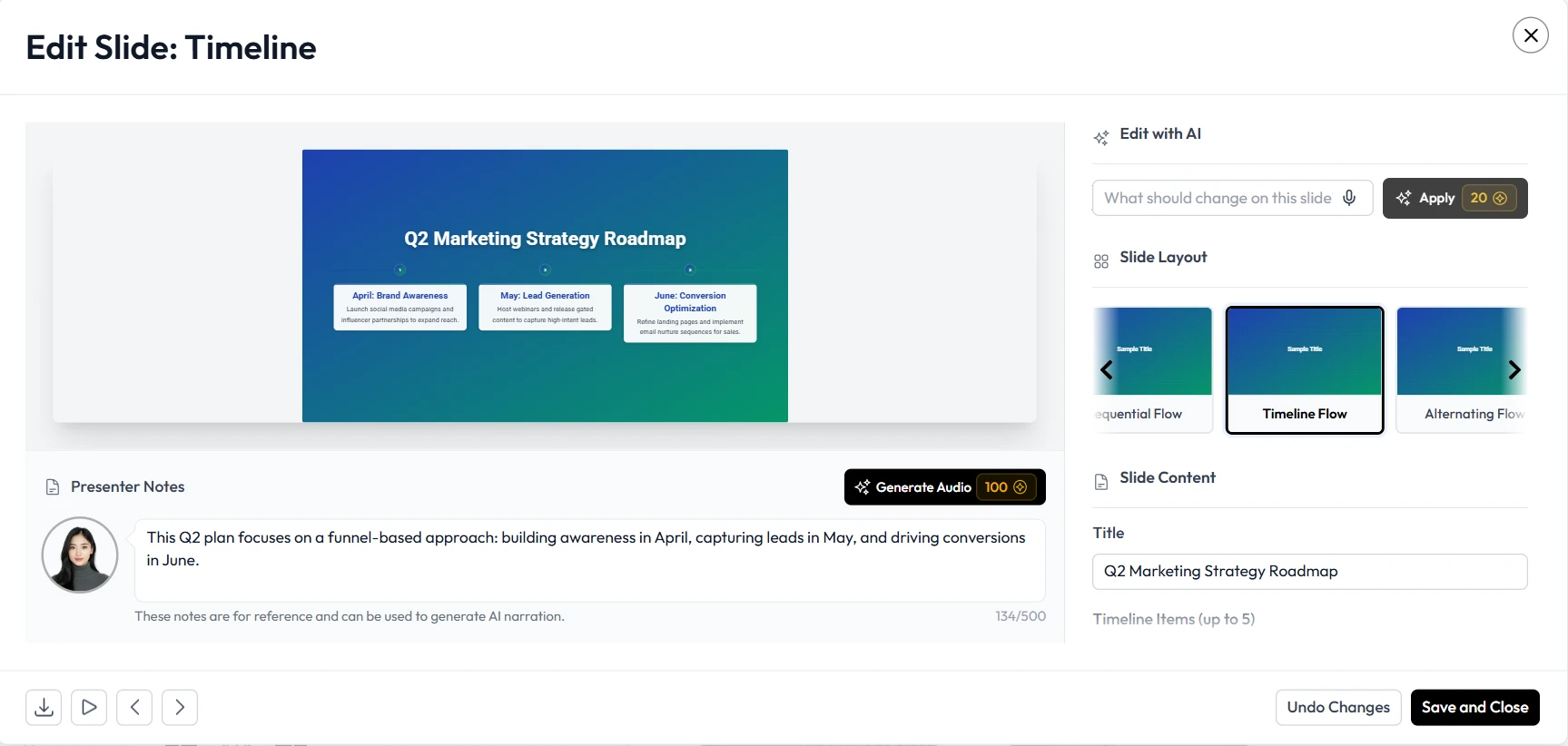
For professional instructional designers, the integration of educational AI is not about replacement, but about elevation. The most labor-intensive part of the ID process is the “production phase”: taking the storyboard and building it out into a visual presentation. By offloading this to Unni.ai, designers can spend more time on the “analysis and evaluation” phases of the ADDIE model.
The sophisticated algorithms within the Unni.ai AI presentation generator are trained on multimedia learning principles, such as the Mayer’s Cognitive Theory of Multimedia Learning. This ensures that the automated outputs are not just visually appealing, but are scientifically optimized for how the human brain processes information. This includes:
-
Signaling: Highlighting essential words or images to direct learner attention.
-
Spatial Contiguity: Placing related text and images near each other to reduce visual scanning.
-
Temporal Contiguity: Ensuring that visual and auditory information are synchronized effectively.
Future-Focused Insights: The Interconnected Learning Ecosystem
Looking toward the end of the decade, we anticipate that educational AI will move beyond simple deck generation and toward full-scale ecosystem integration. We are entering an era where presentation automation will be triggered by real-time data. For instance, a dip in a team’s performance metrics on a CRM platform could automatically trigger Unni.ai to generate a refresher training module based on the specific areas where the team is underperforming.
Furthermore, the democratization of design through AI presentation software means that the barrier to entry for sharing expert knowledge is lower than ever. Small startups and individual subject matter experts can now produce content that rivals the quality of major consulting firms. This leveling of the playing field fosters a more competitive and knowledge-rich global economy.
Expert Commentary: Maintaining the Human-AI Partnership
While the efficiency gains of Unni.ai are undeniable, the most effective implementations of this technology maintain a “Human-in-the-Loop” (HITL) approach. Presentation automation is a powerful force multiplier, but the educator’s intuition, the trainer’s empathy, and the designer’s creative vision remain the primary drivers of success.
The AI provides the skeletal structure and the visual muscle, but the human provides the “soul” of the lesson. Educators who embrace Unni.ai find that they are not less involved in their teaching; rather, they are more involved because they are no longer tethered to their laptop screens, struggling with formatting errors or image resolutions. They are free to mentor, to facilitate discussion, and to drive deep inquiry.
Frequently Asked Questions
How does Unni.ai ensure the accuracy of generated educational content?
Unni.ai utilizes advanced language models that are grounded in the specific source materials provided by the user. While the AI is highly capable of synthesizing complex information, we always recommend that the educator or SME performs a final review to ensure the content perfectly matches their specific instructional goals and classroom context.
Can I customize the branding within the AI presentation generator?
Yes. Unni.ai is built for both academic and corporate environments. You can upload custom brand guidelines, color palettes, and logos. The presentation automation engine will then apply these styles consistently across every slide it generates, ensuring a professional and uniform look.
Is educational AI suitable for highly technical or scientific subjects?
Absolutely. One of the greatest strengths of educational AI is its ability to take dense, technical jargon and break it down into digestible, logical sequences. Unni.ai is frequently used for medical training, engineering specifications, and complex data analysis presentations.
How does this technology help with accessibility in the classroom?
Unni.ai assists in creating more accessible content by suggesting high-contrast color schemes, appropriate font sizes, and structured layouts that are easier for screen readers to navigate. By automating these best practices, Unni.ai helps ensure that learning is inclusive for all students.
Conclusion: Reclaiming the Future of Education
The transition from manual labor to presentation automation represents a milestone in the history of instructional technology. By integrating educational AI into the core of the learning process, we are not just making slides faster, we are making them better. We are creating a world where the speed of information transfer can finally keep pace with the speed of human innovation.
Unni.ai stands at the forefront of this movement, offering a sophisticated AI presentation generator that respects the traditions of pedagogy while embracing the possibilities of the future. For the educator, the trainer, and the designer, the message is clear: your time is too valuable to be spent on the mechanical. It is time to focus on the meaningful.
Experience the future of instructional design today. Begin your journey with the Unni.ai AI presentation generator and transform your workflow through intelligent presentation automation.