10 Future-Ready Trends for Instructional Designers: The Role of AI in 2026
Explore the top 10 trends for instructional designers in 2026. Learn how AI presentation tools and automation are reshaping educational content creation.
The landscape of instructional design is undergoing a fundamental metamorphosis. For decades, the primary bottleneck for instructional designers (IDs) was the manual labor of content production; the painstaking hours spent on storyboarding, graphic alignment, and slide formatting. As we move into 2026, the industry is pivoting from content production to experience architecture.
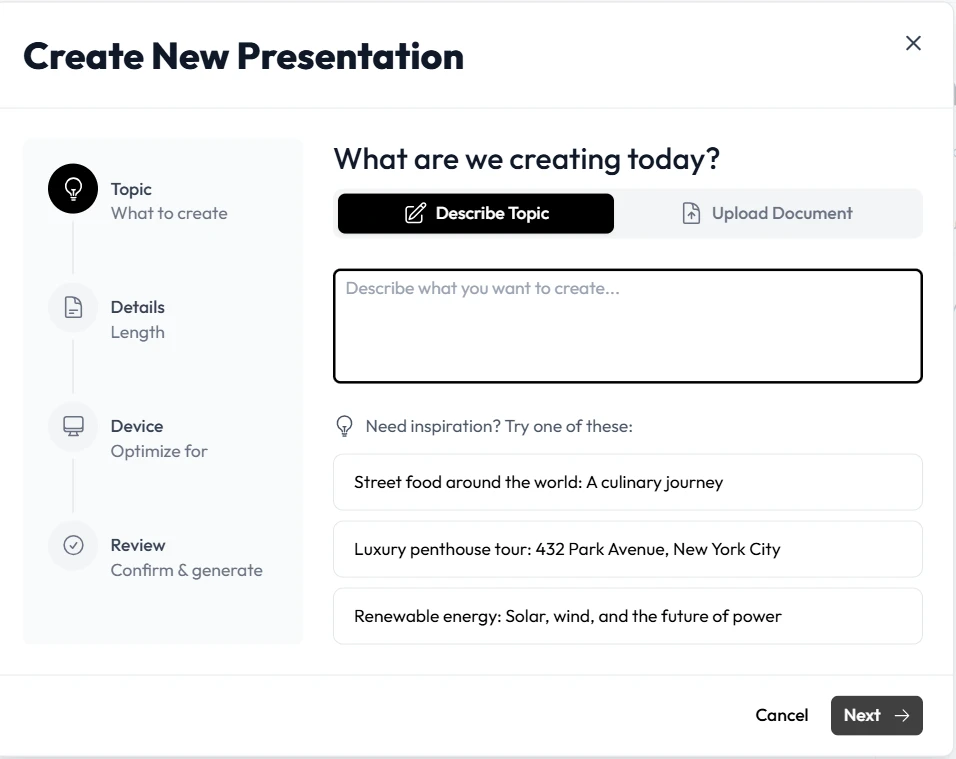
The catalyst for this shift is the maturation of educational AI. We have moved past the era of “AI parlor tricks” (generic chatbots and basic avatars) into a period of functional presentation automation. Professionals are no longer asking if they should use AI, but rather how to integrate an AI presentation generator like Unni.ai into a sophisticated pedagogical workflow. This article analyzes the ten most significant trends that will define the instructional design profession in the coming year and how Unni.ai is positioning itself as the central engine for this evolution.
1. From Linear Decks to Adaptive Learning Pathways
The traditional “click-next” linear presentation is losing its efficacy in both academic and corporate environments. Modern learners demand agency. In 2026, instructional designers are using Unni.ai to create modular content blocks that can be instantly reconfigured based on learner data. Instead of one deck for everyone, presentation automation allows for the creation of multiple versions of a single curriculum, tailored to different baseline knowledge levels.
2. The Rise of “Just-in-Time” Training Automation
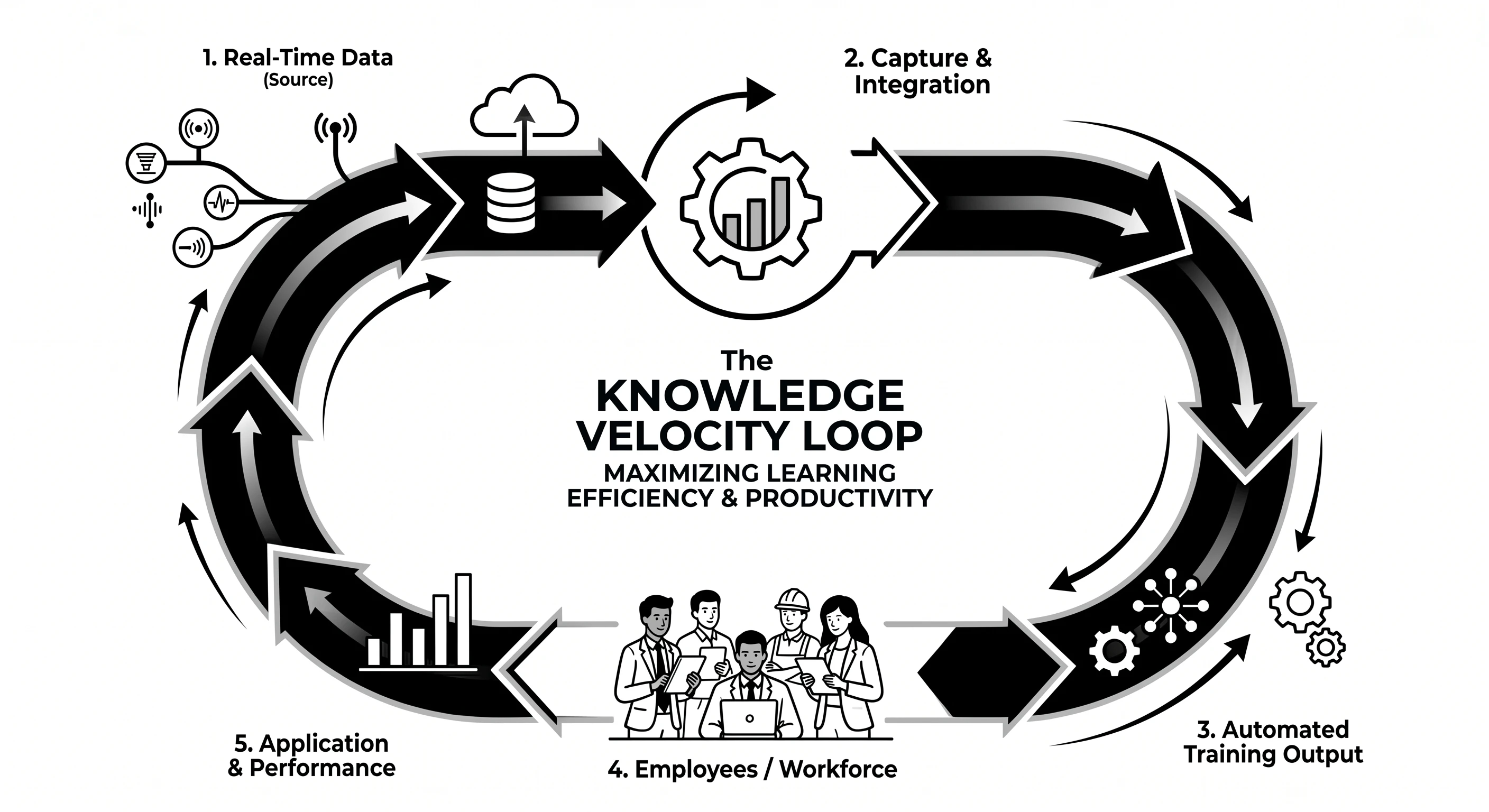
The “forgetting curve” remains the greatest enemy of retention. To combat this, IDs are moving away from massive, one-time training events toward training automation. By leveraging an AI presentation generator, learning teams can produce hyper-specific microlearning modules in minutes rather than weeks. When a software update is released or a new policy is enacted, Unni.ai enables the immediate deployment of updated visual guides, ensuring that learning happens in the “flow of work.”
3. Data-Driven Aesthetic and Cognitive Load Management
Designers are increasingly using AI to solve a classic problem: cognitive overload. Unni.ai uses evidence-based design principles to ensure that slide layouts prioritize the most critical information. By analyzing how users interact with content, the educational AI within Unni.ai suggests layouts that balance visual hierarchy with textual clarity, a task that previously required a dedicated graphic designer.
4. Hyper-Personalization at Scale
True personalization used to be a luxury reserved for small cohorts. Today, educational AI enables “Hyper-Personalization at Scale.” Instructional designers can now input specific learner personas into Unni.ai, and the AI presentation generator will adjust the tone, examples, and even the complexity of the language to match the audience. This ensures that a technical team receives a data-heavy presentation while a sales team receives a narrative-driven one: all from the same core source material.
5. Collaborative Co-Creation with Subject Matter Experts (SMEs)
The friction between IDs and SMEs is a well-known industry pain point. Unni.ai serves as a collaborative bridge. Instead of an SME sending a disorganized 50-page document, the ID can use the platform to ingest that data and produce a structured, pedagogical “first pass.” This allows the ID to spend their time on high-level strategy and engagement rather than manual formatting.
6. Augmented Reality (AR) Ready Assets
As immersive learning moves into the mainstream, presentations are no longer static 2D objects. We are seeing a trend where presentation automation tools are being used to generate high-fidelity visual assets that can be exported into AR environments. Unni.ai is at the forefront of this, ensuring that the visual components of a presentation are structured to be compatible with the next generation of spatial computing.
7. The “Curator-in-Chief” Model
The role of the instructional designer is shifting from a “writer” to a “curator.” With the heavy lifting of lesson planning and slide generation handled by Unni.ai, the ID’s value now lies in their ability to verify accuracy, ensure pedagogical soundness, and maintain brand voice. This shift allows for a much higher volume of output without sacrificing the “human touch” that is essential for effective learning.
8. Accessibility-First Design Philosophy
Accessibility is no longer a “nice-to-have” or a final checkbox; it is a design philosophy, and that increasingly includes platform accessibility for the team itself. Many established desktop authoring tools are Windows-only, which is why so many designers now research how to run Articulate Storyline on a Mac or move to tools that work in any browser. Unni.ai integrates accessibility directly into the presentation automation process. From automated alt-text generation for images to ensuring color contrast ratios meet WCAG standards, the educational AI ensures that learning content is inclusive by default, not by exception.
9. Rapid Prototyping for Stakeholder Approval
One of the greatest wastes of time in instructional design is developing a full course only to have stakeholders reject the visual direction. Unni.ai allows for “Rapid Prototyping.” Within seconds, an ID can generate three different “vibe-coded” versions of a presentation to show a stakeholder, gathering feedback on the direction before a single hour is spent on deep development.
10. Measuring Impact, Not Just Completion
Finally, the industry is moving toward “Performance-Based Assessment.” Instructional designers are using Unni.ai to build interactive knowledge checks and simulations directly into their presentations. The data gathered from these interactions provides a much clearer picture of competence than simple completion rates, allowing for continuous improvement of the instructional material.
Frequently Asked Questions (FAQ)
How does an AI presentation generator differ from traditional templates?
Unlike static templates, an AI presentation generator like Unni.ai understands the content you are providing. It doesn’t just put text into a box; it structures the narrative, selects relevant visuals, and applies instructional design principles to the layout.
Is presentation automation replacing the role of the instructional designer?
Quite the opposite. Presentation automation is a force multiplier. It removes the administrative and manual tasks, allowing the instructional designer to focus on what matters most: learner psychology, strategic alignment, and complex problem-solving.
Can educational AI handle complex technical subjects?
Yes. Modern educational AI is capable of processing highly technical source material. When using Unni.ai, the platform acts as a sophisticated research assistant that can synthesize complex data into digestible, visual learning journeys.
Conclusion: Embracing the Future of Instructional Design
As we look toward the next year, the message is clear: the most successful instructional designers will be those who master the art of human-AI collaboration. The goal of using an AI presentation generator it’s to work smarter, not harder. By embracing presentation automation, learning professionals can finally move away from the “production line” and step into their true potential as strategic experience architects.
Unni.ai is more than just a tool; it is a foundational component of the modern educational AI ecosystem. By automating the “what” and the “how” of content creation, Unni.ai empowers you to focus on the “why”: creating transformative learning experiences that drive real-world results.
Ready to revolutionize your workflow? Start building with Unni.ai today.