The Evolution of the AI Presentation Software and Automation | Unni.ai
Discover the evolution of AI presentation software and automation. See how Unni.ai is shaping the future of lesson planning and corporate workflows.
The landscape of instructional design and workplace productivity is undergoing a profound and necessary shift. Gone are the days of spending countless hours formatting text boxes, aligning graphics, and searching for the right visuals. Today, the rapid rise of the AI presentation generator is fundamentally revolutionizing how we approach digital content delivery. By leveraging advanced educational AI, modern professionals can drastically reduce their preparation time while simultaneously enhancing the quality of their material.
Unni.ai stands at the forefront of this digital transformation, offering a robust platform designed to seamlessly produce high-impact AI slides. Through sophisticated presentation automation, educators and corporate learning teams can now focus their energy on what truly matters. They can finally prioritize engaging their audience, analyzing learning outcomes, and delivering compelling, memorable narratives.
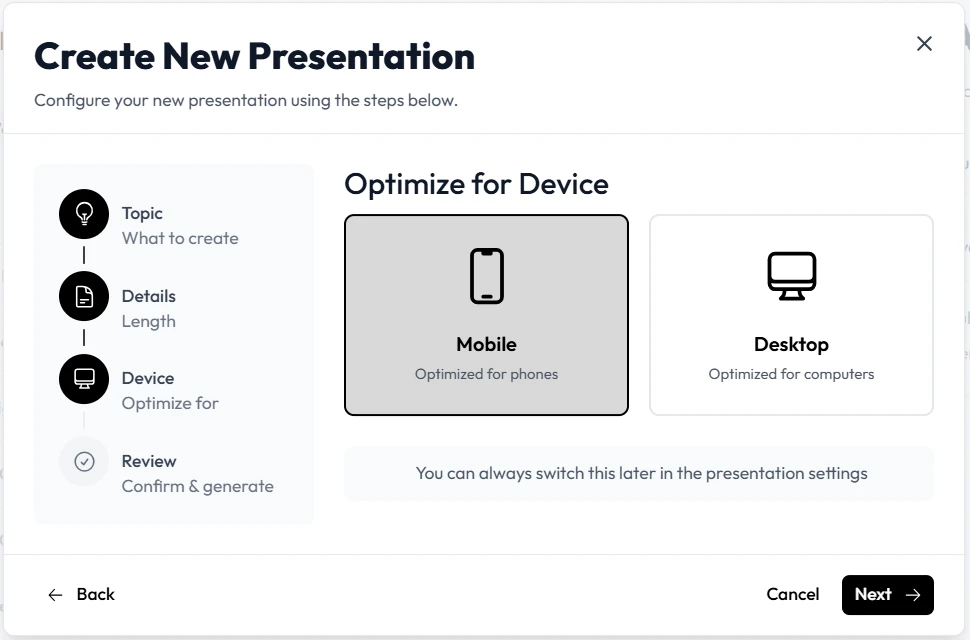
Why Presentation Automation is Reshaping Corporate Training
Corporate learning teams constantly balance the urgent need for up-to-date training material with the strict time constraints of daily business operations. Historically, creating a cohesive training module required instructional designers to painstakingly craft every single slide. Now, training automation simplifies this rigorous and often tedious workflow. By adopting an AI presentation generator, organizations can rapidly turn dense policy documents, onboarding manuals, and quarterly strategy reports into engaging, highly digestible modules.
This structural shift allows workplace trainers to move away from manual design tasks and pivot toward strategic execution. Unni empowers these professionals by streamlining the initial drafting phase of course creation. Instead of struggling with layout alignment and typography hierarchy, trainers simply input their core concepts and allow the platform’s presentation automation engine to structure the narrative. The result is a consistent, brand-aligned set of AI slides that can be easily customized. Industry data consistently shows that minimizing administrative overhead in content creation directly increases the time available for actual teaching, strategic planning, and interactive coaching. When trainers are not bogged down by graphic design, the entire organization benefits from faster knowledge distribution.
The Evolution of Lesson Planning with Educational AI
For academic professionals, the content delivery challenges are equally demanding. Educators are tasked with developing diverse, accessible, and highly engaging materials for students with varying cognitive needs and learning preferences. The traditional approach to lesson planning is notoriously time-intensive, often leading to educator burnout. However, the thoughtful integration of educational AI is actively rewriting the rules of academic content creation.
With intelligent platforms like Unni.ai, teachers can input their core syllabus points or specific learning objectives, and the AI presentation generator instantly curates a logically structured visual narrative. This powerful capability transforms raw educational data into comprehensive, visually appealing AI slides. The Unni platform fundamentally understands established instructional design principles. It ensures that the generated content supports cognitive retention rather than overwhelming the learner with dense, text-heavy layouts. By automating the visual aspects of lesson planning, Unni serves as a vital collaborative partner in educational settings. It enables academic trainers to focus heavily on pedagogy and student engagement, ensuring that modern technology acts as a seamless facilitator of learning rather than an operational hurdle.
Trend Analysis: The Shift from Manual Design to AI Slides
A close examination of current EdTech and corporate software trends reveals a definitive pivot toward intelligent, generative content systems. The demand for digital experience creation is currently at an all-time high. This surge is largely driven by the normalization of remote learning environments and globally distributed corporate workforces. Traditional presentation software often requires users to act as both subject matter experts and graphic designers simultaneously. This dual requirement creates significant workflow bottlenecks and often results in subpar visual communication.
Educational AI eliminates this bottleneck by effectively decoupling content generation from visual design. Unni analyzes the semantic meaning of the provided text, identifies the most critical learning points, and automatically assigns appropriate layouts and relevant data visualizations. This process is not mere formatting. It represents highly intelligent content structuring. As organizations scale their learning programs, the ability to generate customized, high-quality AI slides at scale becomes a significant competitive advantage. The industry is rapidly moving away from static, rigid templates and moving toward dynamic, context-aware presentation automation. Experts within the instructional design community predict that within the next five years, the vast majority of initial course creation will be handled by specialized AI platforms.
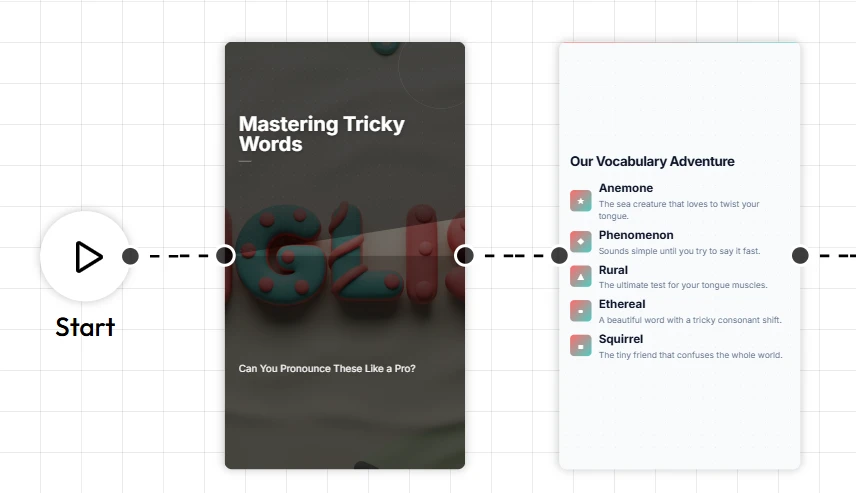
The Expanding Role of an AI Presentation Generator
Looking toward the horizon of workplace productivity, the capabilities of the AI presentation generator will only continue to deepen and expand. We are quickly moving toward an era where systems do not just format text but actively recommend proven instructional strategies. Imagine an interface that analyzes your specific audience demographics and suggests optimal pacing, perfectly timed interactive quiz points, and rich multimedia integration to maximize knowledge retention.
Unni is proudly pioneering this future. By continuously refining its algorithms based on evidence-driven instructional design best practices, the platform consistently anticipates the operational needs of its users. The future of training automation will undoubtedly see artificial intelligence seamlessly integrating with enterprise learning management systems. This integration will allow organizations to update presentations in real-time based on changing company policies or evolving academic standards. This ongoing evolution ensures that content remains relevant, completely accurate, and visually compelling without ever requiring complete manual overhauls. As educational AI becomes exponentially more sophisticated, Unni will transition from being ahelpful software tool to becoming an essential co-creator in the global instructional design process.
How Unni is Leading the Transition in AI for Teachers and Trainers
Building true authority in the artificial intelligence space requires substantially more than just releasing functional software. It demands a deep, empathetic understanding of how human beings actually learn, process information, and communicate. Unni.ai successfully bridges the gap between complex artificial intelligence algorithms and practical, everyday utility. By focusing heavily on the specific needs of instructional designers and educators, Unni.ai has crafted an environment where training automation feels incredibly intuitive and natural.
For those looking to explore the full capabilities of our platform, learning how to maximize an AI presentation generator effectively is the first critical step toward reclaiming hours of valuable time. The platform’s unwavering commitment to maintaining a nuanced, human-centric approach to digital experience creation ensures that every single set of AI slides feels personal and meticulously crafted. Unni is not simply focused on raw speed. The platform is dedicated to elevating the baseline standard of workplace communication and academic instruction globally.
Frequently Asked Questions (FAQ)
What is an AI presentation generator?
An AI presentation generator is an advanced software platform that uses artificial intelligence to automatically design, structure, and populate visual slides based on user-provided text, documents, or specific prompts.
How does Unni improve daily lesson planning?
Unni leverages educational AI to analyze core learning objectives and instantly draft visually engaging slides. This significantly reduces the administrative burden on educators, allowing them to focus entirely on teaching and student interaction rather than struggling with formatting layouts.
Can corporate teams use presentation automation for course creation?
Absolutely. Corporate learning teams regularly utilize presentation automation to rapidly convert training manuals, policy updates, and compliance documents into structured, easy-to-digest AI slides. This accelerates the entire training automation process.
Is the generated content customizable?
Yes. While the artificial intelligence provides a highly refined and structured starting point, users maintain complete creative control over the final output. Every single element of the AI slides can be adjusted to perfectly fit specific brand guidelines or academic requirements.
Conclusion
The integration of artificial intelligence into content delivery is no longer a futuristic concept reserved for tech enterprises. It is a highly practical, present reality that is fundamentally reshaping how we share knowledge and train our teams. The AI presentation generator has definitively proven itself to be a critical asset for anyone involved in teaching, training, or corporate communication. By confidently embracing educational AI, modern professionals can finally transcend the traditional limitations of manual design and step into a new era of efficiency and impact.
Unni remains dedicated to leading this charge. Through continuous innovation in presentation automation, it empowers users to create compelling, professional AI slides that deeply resonate with their audiences. The undeniable future of instructional design is intelligent, highly dynamic, and beautifully automated. It is time to let artificial intelligence handle the meticulous formatting so you can focus entirely on delivering your core message.