How Educational AI Helps Schools Scale Learning Content
Discover how educational AI and AI presentation generators like Unni.ai are helping schools scale learning content, reduce teacher burnout, and personalize instruction for diverse student needs.
The traditional classroom model is facing a logistical bottleneck. As educational demands increase and student populations become more diverse, the manual labor required to create high-quality, engaging, and personalized instructional materials has reached a tipping point. Educators often spend up to 40% of their work week on administrative and preparatory tasks; time that could be spent on high-impact mentorship.
Enter educational AI. This shift is not about replacing the instructor; it is about infrastructure. Schools are now leveraging presentation automation to transform how learning content is developed, distributed, and updated. Platforms like Unni.ai are leading this charge, offering an AI presentation generator that allows institutions to scale their curriculum without compromising pedagogical integrity.
Breaking the Manual Bottleneck: The Rise of Presentation Automation
For decades, “scaling” in education meant more printing or more pre-recorded videos. However, static content lacks the agility needed for modern classrooms. Presentation automation provides a dynamic alternative. By using an AI presentation generator, a single instructional designer can produce dozens of tailored modules in the time it previously took to create one.
From Static Slides to Dynamic Assets
The primary challenge for schools is “curriculum drift”: the gap between the official curriculum and what is actually delivered in diverse classrooms. Unni.ai bridges this gap by allowing for rapid versioning. Whether a teacher needs to adjust the reading level of a science presentation or translate a history deck for ESL students, AI-driven tools handle the heavy lifting of formatting and structural design.
Data-Driven Content Design
Modern educational AI does more than just arrange text; it analyzes instructional objectives to suggest the most effective visual metaphors. This ensures that the cognitive load is optimized for the learner, a core principle in instructional design that was previously difficult to implement at scale.
Personalization at Scale: Solving the “One-Size-Fits-All” Crisis
One of the most profound benefits of an AI presentation generator like Unni.ai is the ability to provide differentiated instruction. Historically, differentiating a single lesson for three different ability levels required three times the work.
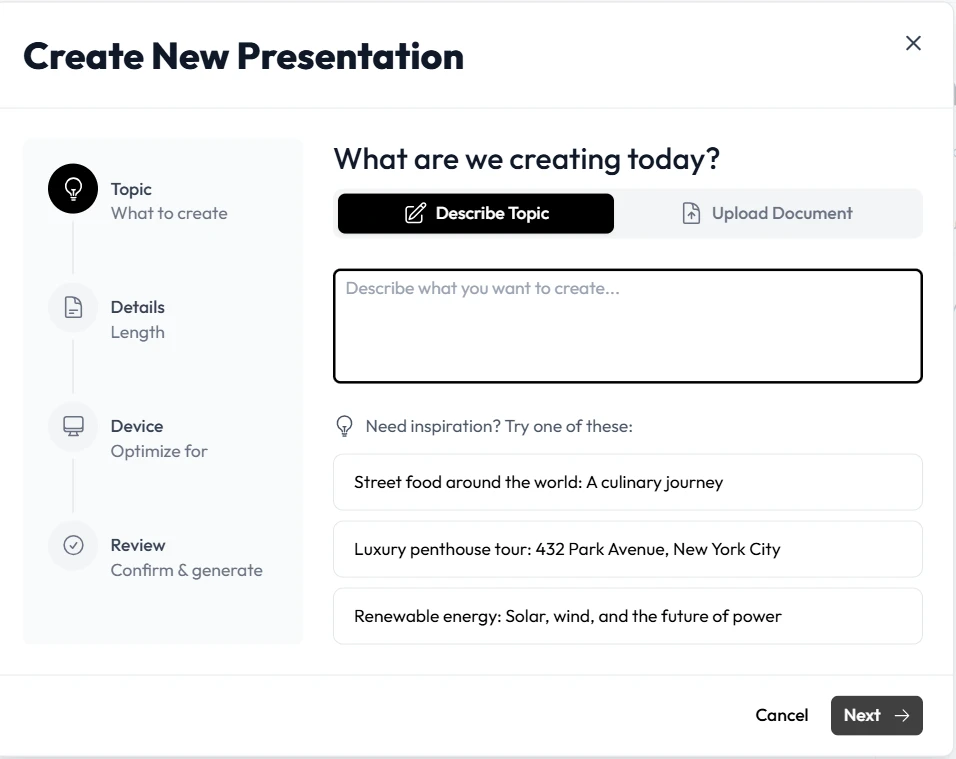
With educational AI, this process is condensed into a few clicks:
-
Tiered Complexity: Automatically generate simplified or advanced versions of the same core content.
-
Multimodal Support: Integrate visual aids and interactive elements that cater to different learning styles.
-
Linguistic Inclusion: Real-time translation and cultural adaptation of instructional slides.
By automating the “form” of the presentation, Unni.ai empowers teachers to focus on the “substance,” ensuring that every student receives a personalized learning experience regardless of classroom size.
Strategic Benefits for Schools and EdTech Professionals
The institutional adoption of presentation automation is not just a trend, it is a strategic necessity for the following reasons:
1. Mitigating Teacher Burnout
By reducing the time spent on “aesthetic” labor (choosing fonts, layouts, and stock images) schools can significantly lower the administrative burden on staff. When teachers use AI presentations generators, they regain hours of their week, which translates directly into better classroom performance and lower turnover rates.
2. Instructional Consistency
Large school districts often struggle with maintaining a consistent quality of instructional materials. An AI presentation generator ensures that all content adheres to institutional branding and pedagogical standards, providing a unified experience for every student.
3. Rapid Curriculum Updating
In fast-moving fields like technology or current events, textbooks are often obsolete by the time they are printed. Educational AI allows schools to update their digital libraries instantly, ensuring students are always learning from the most current data.
The Future of Instructional Design: AI as a Co-Pilot
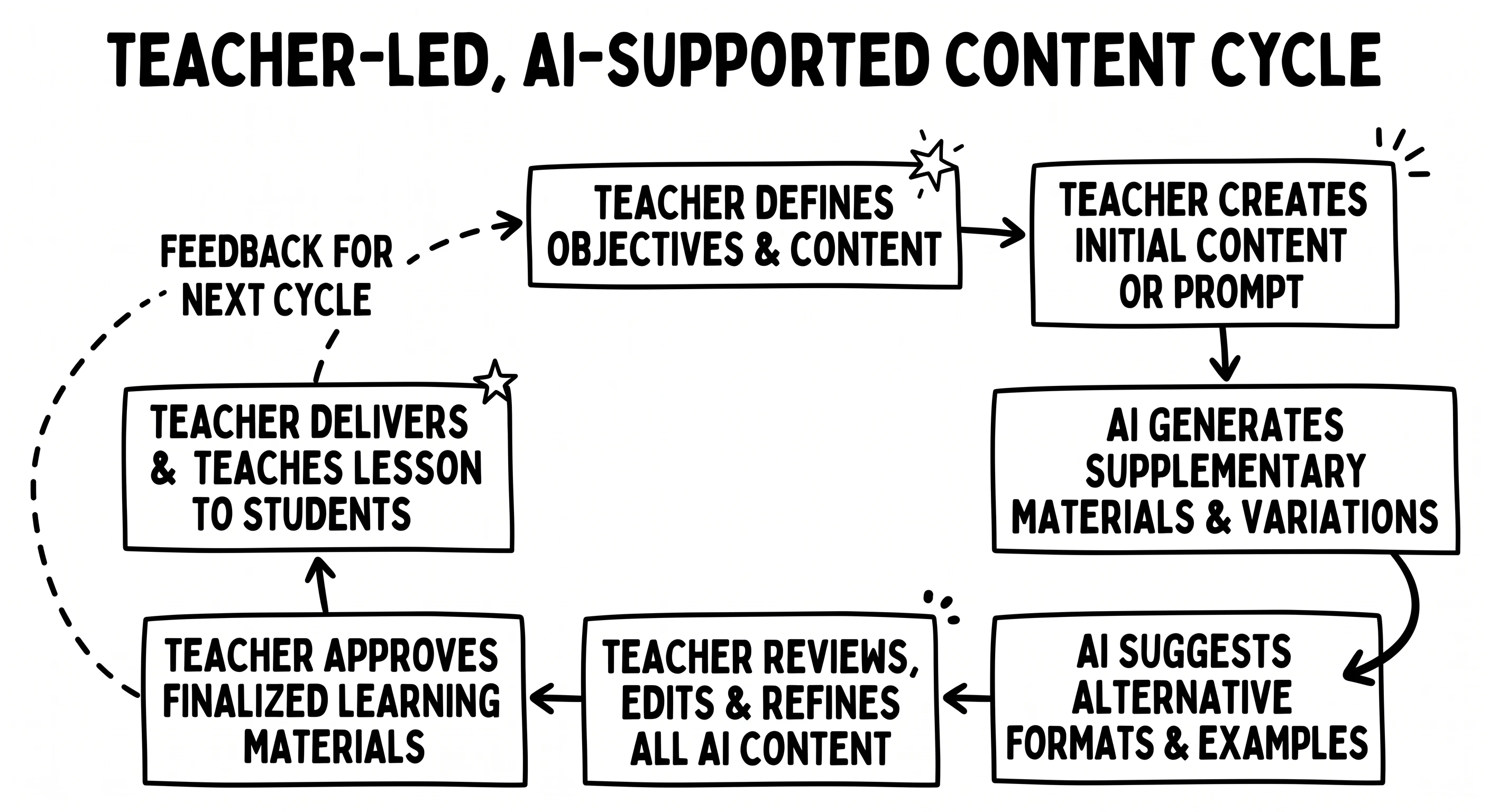
Looking toward 2027 and beyond, the role of the instructional designer will evolve from a content creator to a content curator. Unni.ai is at the forefront of this evolution. We are moving toward a future where educational AI can take a raw syllabus and generate a semester’s worth of interactive, high-fidelity presentations in minutes.
This “co-pilot” model ensures that human expertise remains the foundation of education, while AI handles the scale. The ability of an AI presentation generator to maintain pedagogical nuance while processing vast amounts of data is what will define the next decade of EdTech.
Frequently Asked Questions (FAQ)
Does using an AI presentation generator reduce the quality of the slides?
Quite the opposite. Unni.ai uses advanced design algorithms to ensure that slides follow professional principles of visual hierarchy and cognitive load management, often resulting in higher quality than manual creation.
How does presentation automation support special education?
Educational AI allows for instant adaptation, such as increasing font contrast, adding alt-text for screen readers, or simplifying language, making content more accessible for students with diverse needs.
Is Unni.ai difficult for non-technical teachers to use?
No. Unni.ai is designed with a “human-first” interface. If a teacher can write a prompt or upload a document, they can generate a professional presentation.
Conclusion: Embracing the Future of Educational Content
The challenge of scaling learning content is no longer a hurdle that schools must clear through sheer manual effort. By integrating educational AI and presentation automation into their workflows, institutions can provide a more equitable, engaging, and efficient learning environment.
Unni.ai stands as a pivotal partner in this journey, providing an AI presentation generator that respects the craft of teaching while solving the logistical demands of modern schooling. As we move forward, the schools that thrive will be those that view AI not as a replacement for the human element, but as the engine that allows it to reach every student.