The Future of Instructional Design: AI Presentation Generators for Infoproduct Creators
Discover how AI presentation generators are transforming infoproduct creation. Learn how instructional designers and course creators use Unni.ai to scale.
The landscape of professional communication and academic instruction is undergoing a profound shift. For educators, instructional designers, and corporate trainers, the friction between complex content development and visual delivery has historically slowed the pace of innovation. With the emergence of the AI presentation generator, organizations can now bypass manual formatting to focus entirely on pedagogical impact. Unni.ai is at the forefront of this movement, offering tools that streamline how we approach educational AI and the production of effective AI slides. By leveraging automated design, professionals can reclaim time for what truly matters: the quality of the narrative and the efficacy of the learning experience.
The integration of advanced technology into learning workflows is a fundamental necessity for scaling high-quality digital experience creation. As we move away from traditional, time-intensive slide deck development, Unni provides the architecture required to turn raw concepts into structured, professional, and engaging visual aids.
The Evolution of Presentation Automation
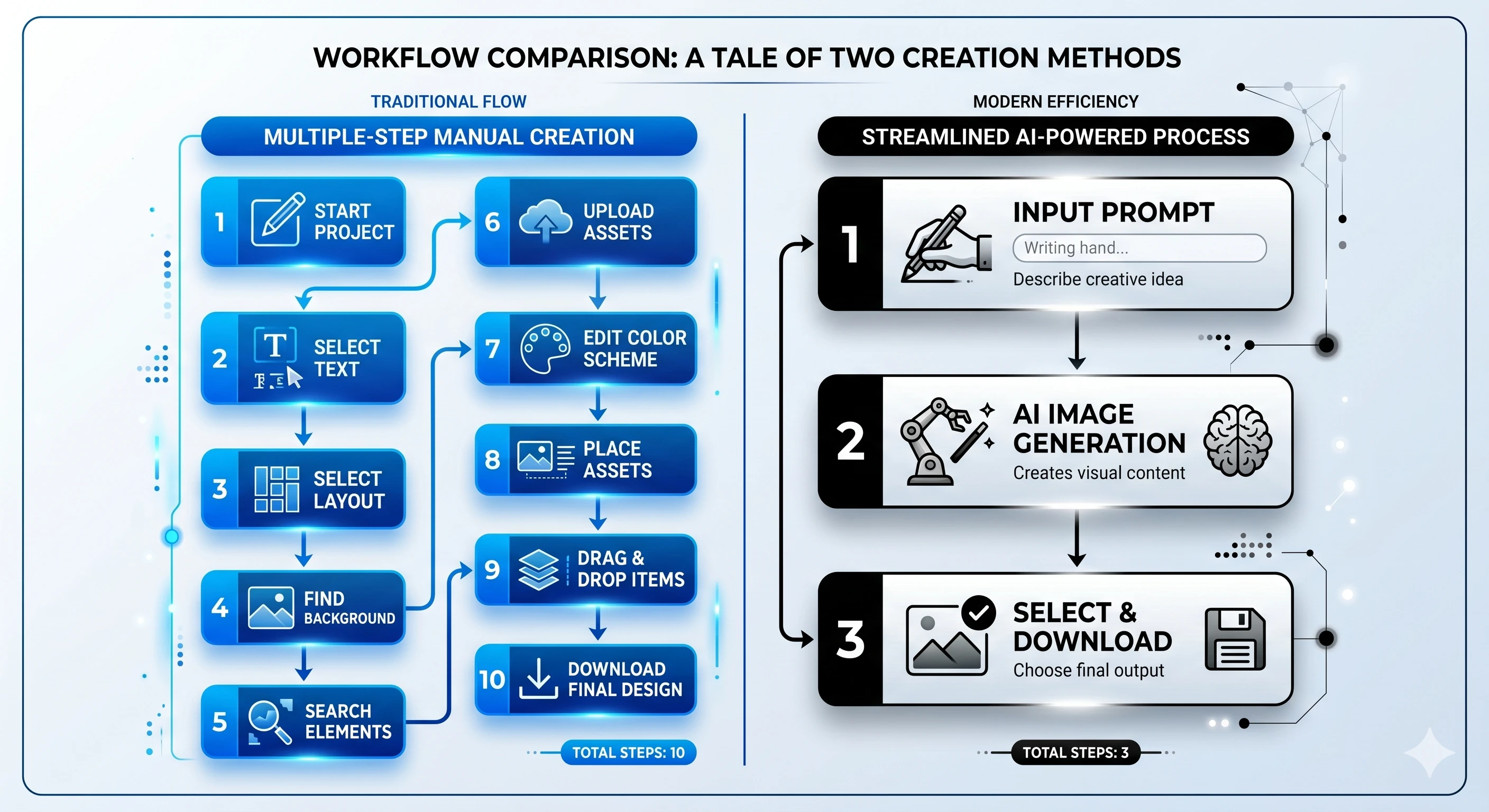
For decades, the standard for creating presentations involved a high volume of manual labor. Professionals would draft an outline, source imagery, apply templates, and spend hours aligning text boxes. This manual approach is inherently inefficient and often results in inconsistent visual quality. The modern AI slides revolution addresses these inefficiencies by treating presentation design as a data-driven process rather than a graphic design project.
presentation automation acts as the core engine driving this change. It allows users to input core concepts, research, or long-form documentation and receive structured, visually appealing slides that adhere to design best practices. At Unni, we advocate for a system where the software handles the aesthetic architecture, leaving the human expert to refine the narrative and ensure pedagogical alignment. This shift reduces the cognitive load for the creator, allowing for deeper focus on the substance of the lesson rather than the mechanical placement of icons on a page.
When we discuss presentation automation, we are not merely talking about speed. We are talking about the democratization of high-quality design. Instructional designers who may lack advanced graphic design skills can now produce professional-grade visuals that previously required a dedicated creative team. This is particularly transformative for the education sector, where AI tools designed for teachers serve as a force multiplier, allowing educators to focus on student engagement rather than administrative overhead.
Streamlining Lesson Planning and Course Creation
The true power of an AI presentation generator lies in its ability to facilitate complex curriculum development. Lesson planning is a labor-intensive process that requires deep subject matter expertise and a clear understanding of instructional sequencing. Historically, teachers and corporate trainers have struggled to maintain a balance between updating curriculum and managing the daily demands of classroom or boardroom environments.
By utilizing educational AI, instructional designers can rapidly iterate on lesson plans. Imagine a workflow where you input your learning objectives and key topics, and the system generates a draft deck that serves as a solid foundation. This draft can then be customized to fit the specific needs of the target audience. This is course creation accelerated. It turns the daunting blank page into a structured starting point, which is often the most significant hurdle in any creative project.
The efficiency gained here has cascading effects. When a corporate learning team can iterate faster, they can respond more effectively to market changes or internal knowledge gaps. When an academic department can deploy high-quality AI slides quickly, students receive more up-to-date information. Unni.ai sees this not as a replacement for human intellect, but as an enhancement of our ability to share it.
Digital Experience Creation in the Modern Workplace
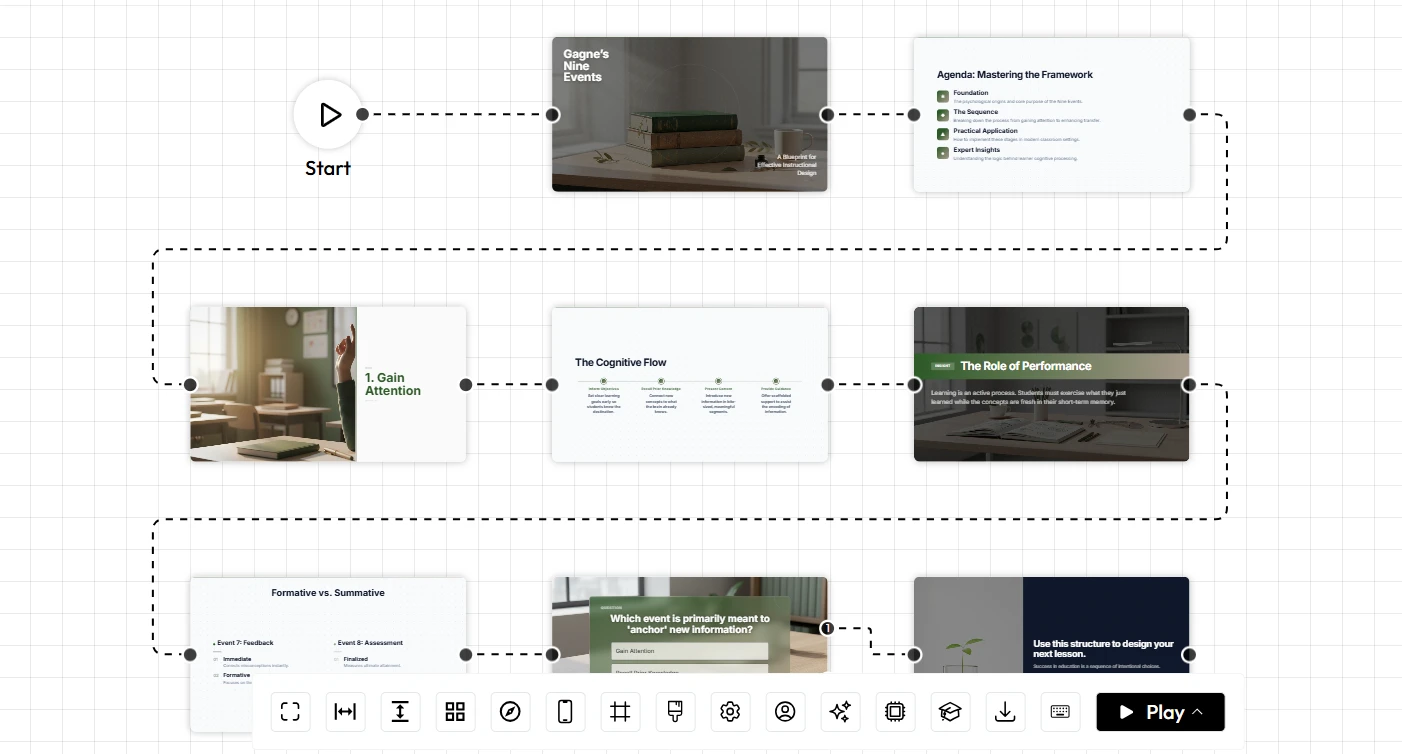
We live in an attention economy. Digital experience creation requires that presentations be more than just bullet points on a screen. They must be engaging, interactive, and visually cohesive. This is where training automation proves its value. By ensuring a consistent visual brand and structured logic across all training modules, organizations can create a unified experience that reinforces learning outcomes.
The role of an AI presentation generator extends into the visual narrative space as well. Trainers can utilize these tools to create interactive scenarios that place learners in decision-making roles. This move toward immersive learning is supported by the ability to rapidly prototype these environments using artificial intelligence. Whether it is a compliance training deck or a technical workshop, the goal is to make the information resonate.
Consider the trend of continuous learning. Organizations can no longer rely on sporadic, large-scale training events. They need bite-sized, frequent, and highly relevant content. This creates a high volume of demand for content creation. Without automated tools, this demand is often unsustainable. Unni acts as the backbone for these teams, providing the tools necessary to maintain high output without sacrificing quality or instructional rigor.
Expert Commentary: The Future of AI in Education
Looking ahead, the synergy between human expertise and educational AI will only grow deeper. We expect to see more integration with Learning Management Systems, where presentations are automatically triggered by student performance data or employee assessment results. The vision of a truly adaptive learning path is nearing reality.
However, we must remain critical of the tools we use. The efficacy of an AI presentation generator is not just in its output, but in its underlying logic. Are the slides pedagogically sound? Do they adhere to cognitive load theory? Unni.ai places a high premium on these factors. We believe that technology should respect the rules of instructional design, not discard them for the sake of speed.
The future of training automation will also involve deeper personalization. Imagine a system that generates multiple versions of the same lesson, each tailored to different learning styles or proficiency levels. That is the potential of modern AI. It allows for a degree of personalization that was impossible even a few years ago. We are moving from a world of one-size-fits-all training to one of precision learning.
Frequently Asked Questions (FAQ)
How does an AI presentation generator improve instructional design?
It significantly reduces the time spent on formatting and layout, allowing designers to dedicate more time to pedagogical strategy, content accuracy, and narrative structure. Unni ensures that design follows best practices, improving the overall engagement level of the training materials.
Can AI for teachers actually replace traditional lesson planning?
It does not replace the teacher, but instead acts as a force multiplier. AI for teachers handles the heavy lifting of drafting and structuring, allowing educators to focus on refining the content and connecting with students.
Is presentation automation suitable for complex corporate training?
Absolutely. Modern tools excel at taking complex documentation and distilling it into logical, digestible slide formats, making them ideal for compliance, technical onboarding, and leadership development.
How does Unni ensure the quality of generated slides?
Unni focuses on a structured approach where the AI architecture is built on sound instructional design principles. We treat educational AI as a partner in the content creation process, ensuring that the final output is both visually impressive and educationally effective.
Conclusion
The shift toward intelligent content generation is not merely a trend, but a fundamental change in how we disseminate knowledge. By embracing an AI presentation generator, educators and professionals alike are positioned to move beyond the limitations of manual creation. We are entering a phase where the barriers between an idea and a fully realized, professional presentation are disappearing.
At Unni, our mission is to empower you to focus on the message while we take care of the medium. The future of presentation automation and AI slides is bright, and it belongs to those who leverage these tools to enhance, rather than replace, their unique human expertise. As you integrate these solutions into your workflow, you will find not just more time in your day, but a renewed capacity to impact your audience through clarity and professional design.
Create your account with Unni.ai today to experience the true potential of your own expertise.