AI Slideshow Makers for Interactive Classroom Experiences
Explore how Unni, an AI presentation generator, and presentation automation enhance interactive learning. Discover how educational AI transforms student engagement and instruction.
The digital transformation of the modern classroom has moved past the mere adoption of hardware. Today, the focus is on the quality of digital interactions and the efficiency of content delivery. As educators and instructional designers seek to foster active learning environments, the demand for sophisticated tools has led to the rise of educational AI. By integrating an AI presentation generator into the curriculum design process, instructors can move beyond static lecturing toward dynamic, participant-centered experiences.
Unni.ai serves as a critical partner in this shift, providing the presentation automation necessary to reduce administrative overhead while significantly increasing the pedagogical value of classroom materials.
The Shift Toward Active Learning and Multimodal Instruction
For decades, the standard classroom presentation was a one-way street: a teacher speaking over a series of text-heavy slides. This method often led to passive student behavior and lower retention rates. Modern pedagogical research, however, emphasizes the importance of active learning, where students engage with the material through discussion, problem-solving, and visual exploration.
Educational AI is the primary catalyst for this shift. It allows for the rapid creation of multimodal content that caters to diverse learning styles. When an instructor utilizes Unni.ai, they are not simply making a slideshow; they are building a framework for interaction. The ability to use presentation automation to handle formatting and layout means that the teacher can spend more time designing checks for understanding and interactive prompts.
Trend Analysis: The Convergence of AI and Instructional Design
The current landscape of educational technology is defined by three major trends: personalization, data-driven instruction, and the democratization of high-quality design.
-
Mass Personalization: In a typical classroom, students possess varying levels of prior knowledge. AI for teachers allows for the creation of differentiated versions of the same lesson with minimal effort. An educator can generate a core presentation and then use Unni.ai to produce variations that provide more scaffolding for struggling learners or extra depth for advanced students.
-
Cognitive Load Management: Excessive text on a slide creates cognitive friction. Current trends in instructional design favor visual storytelling. An AI presentation generator analyzes complex text and suggests the most effective way to represent that information visually, ensuring that students’ mental energy is spent on learning rather than decoding cluttered slides.
-
Real-Time Adaptability: The modern classroom is unpredictable. If a teacher notices that students are confused by a specific concept, presentation automation allows them to quickly generate supplemental visual aids or explanatory slides on the fly, keeping the lesson momentum alive.
Unni.ai occupies a unique position in this ecosystem by offering a platform that understands the nuance of academic and professional communication. It ensures that AI slides maintain a professional aesthetic that commands authority and respect, whether in a university lecture hall or a corporate boardroom.
Strategic Role of Presentation Automation in Instructional Design
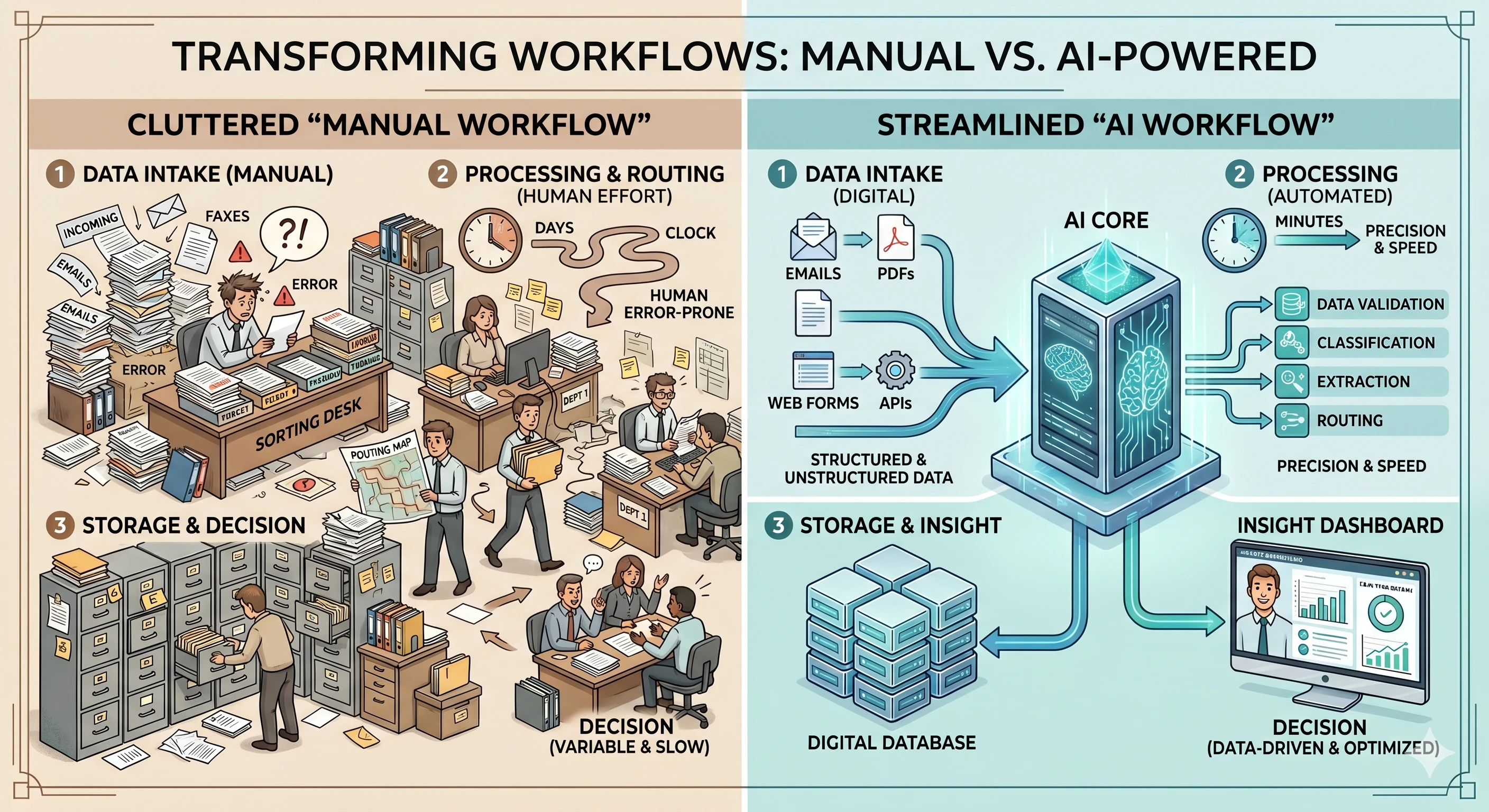
The integration of presentation automation into the instructional design workflow represents a fundamental change in how training materials are developed. Traditionally, creating a high-quality presentation was a linear, time-consuming process. With Unni.ai, this process becomes iterative and highly efficient.
Enhancing Workflow Efficiency
Instructional designers often work under tight deadlines to produce content for corporate learning teams or academic departments. By leveraging an AI presentation generator, these professionals can input their research and core objectives to receive a structured draft in seconds. This allows for a “human-in-the-loop” approach where the AI handles the repetitive tasks of alignment and template selection, while the designer focuses on the nuance of the narrative and the accuracy of the content.
Strengthening Topical Authority
To build authority in any subject, the presentation of information must be as credible as the information itself. Professional-grade AI slides produced by Unni.ai help educators and trainers establish immediate trust with their audience. When the visual quality matches the intellectual depth of the speaker, the message is far more likely to resonate.
Data-Backed Arguments for AI Integration
While qualitative benefits like “engagement” are important, the shift toward educational AI is also supported by quantitative evidence. Studies in cognitive science suggest that the use of “dual coding” (combining words and visuals) can increase information retention by up to 40 percent.
Furthermore, a recent survey of educators indicated that the average teacher spends over seven hours per week on lesson planning and administrative paperwork. By utilizing presentation automation, that time can be reduced by nearly 60 percent, allowing those hours to be reinvested into direct student support or professional development. Unni.ai is designed specifically to address these efficiency gaps, ensuring that the technology serves the educator rather than the other way around.
Expert-Style Commentary: The Future of the Interactive Classroom
The future of the classroom lies in the seamless blend of human empathy and machine intelligence. We are approaching an era where educational AI will not just generate slides but will act as a real-time instructional coach. Imagine a scenario where Unni.ai analyzes a teacher’s spoken lecture and automatically updates the AI slides on the screen to reflect the specific questions being asked by the audience.
This level of interactivity will transform classrooms into “living laboratories” of ideas. For digital professionals, who are often the primary adopters of these technologies, the ability to pivot and adapt content instantly is a competitive advantage. Whether you are leading a startup pitch or a graduate seminar, the agility provided by presentation automation is becoming the new standard for professional communication.
Overcoming the “Cookie-Cutter” Critique
A common concern among EdTech professionals is that AI-generated content might lack personality or feel repetitive. However, Unni.ai addresses this by allowing for high levels of customization. The AI provides the foundation, but the instructor provides the soul.
-
Custom Brand Kits: For corporate learning teams, Unni.ai ensures that every slide deck adheres to brand guidelines, maintaining a consistent professional image.
-
Narrative Control: Users can tweak the tone of the generated content, moving from formal and academic to conversational and energetic, depending on the audience.
-
Dynamic Visuals: Rather than relying on generic stock photos, an AI presentation generator can suggest unique visualizations that specifically illustrate the data being presented.
FAQ: Navigating the New Era of AI Presentations
How does an AI presentation generator improve student engagement?
Engagement is driven by relevance and visual clarity. By using Unni.ai to create clear, visually stimulating AI slides, educators reduce the cognitive load on students, making it easier for them to focus on the core concepts. Additionally, the time saved through presentation automation allows teachers to design more interactive activities, such as live polls or group discussions.
Is educational AI difficult for non-technical teachers to use?
No. The goal of modern educational AI is to lower the barrier to entry. Unni.ai features an intuitive interface that requires no coding or advanced design skills. Most users can generate a professional presentation by simply providing a topic or a brief outline.
Can Unni.ai be used for training automation in a corporate setting?
Absolutely. Training automation is one of the fastest-growing applications of AI. Corporate trainers use Unni.ai to quickly turn product manuals, policy updates, or sales data into polished training modules that are ready for immediate delivery.
Does using AI for teachers diminish the value of the educator?
Quite the opposite. AI removes the “busy work” of formatting and layout, allowing the educator to step into their most important role: a mentor and facilitator of knowledge. The teacher provides the context, the empathy, and the expertise that no machine can replicate.
Conclusion: Leading the Charge with Unni.ai
The evolution of the classroom from a place of passive listening to a hub of interactive discovery is well underway. At the heart of this movement is the strategic application of educational AI. By utilizing an AI presentation generator, educators and professionals can ensure their message is not only heard but understood and remembered.
The benefits of presentation automation extend far beyond simple time savings; they represent a commitment to higher quality, more inclusive, and more engaging instruction. As we look to the future of pedagogy and workplace communication, Unni.ai will remain essential for those who wish to lead with authority and innovation.